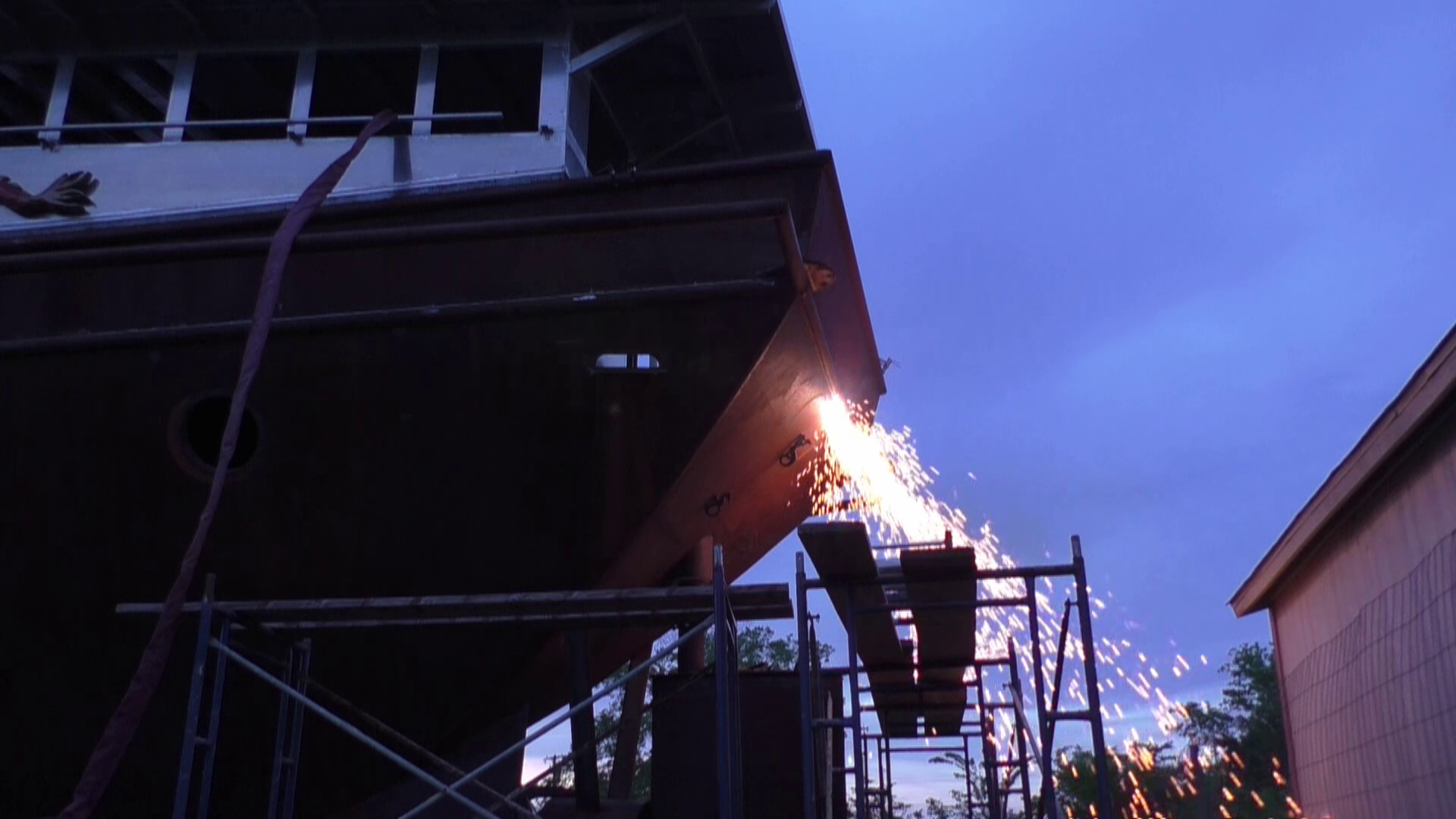
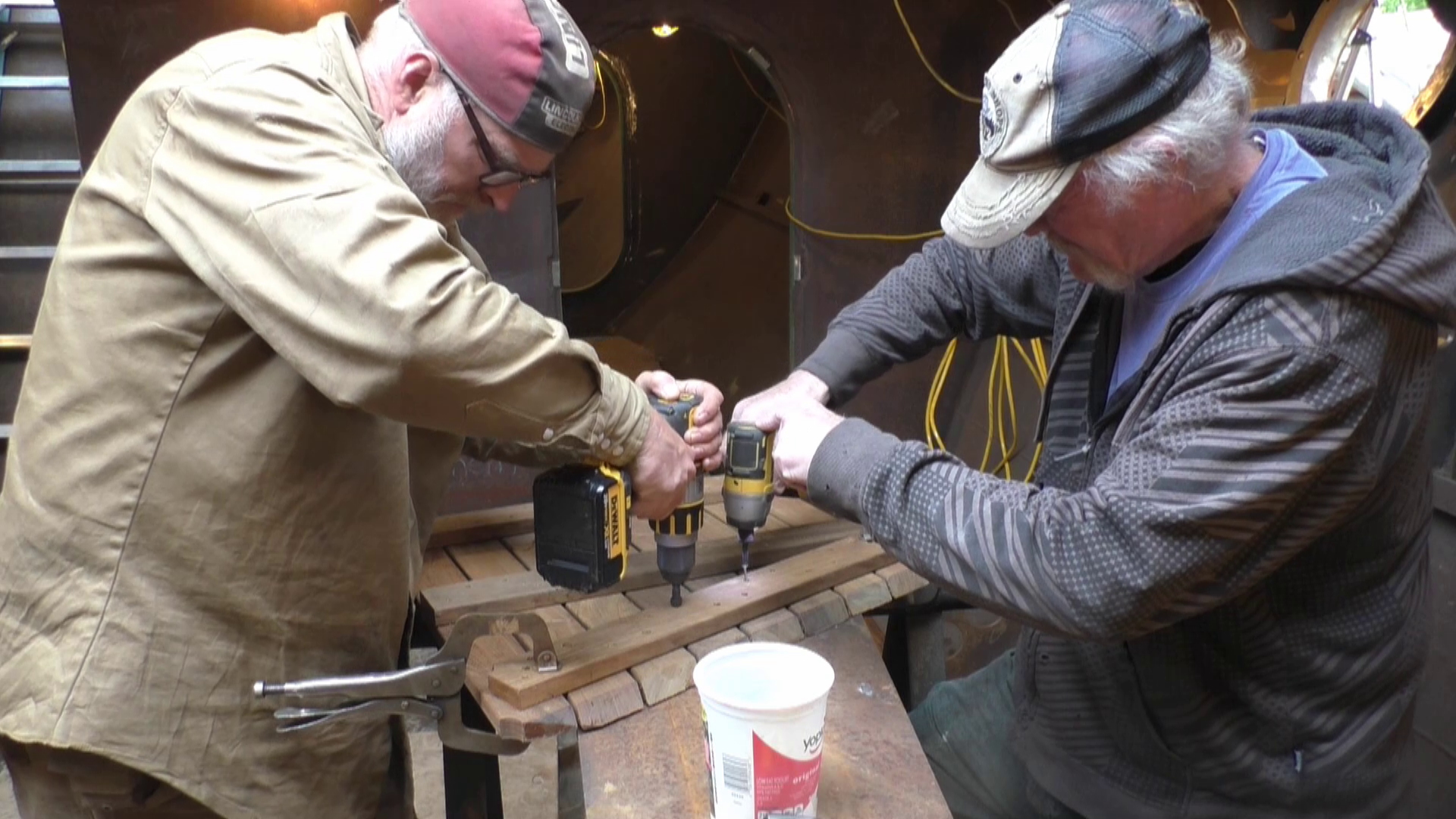
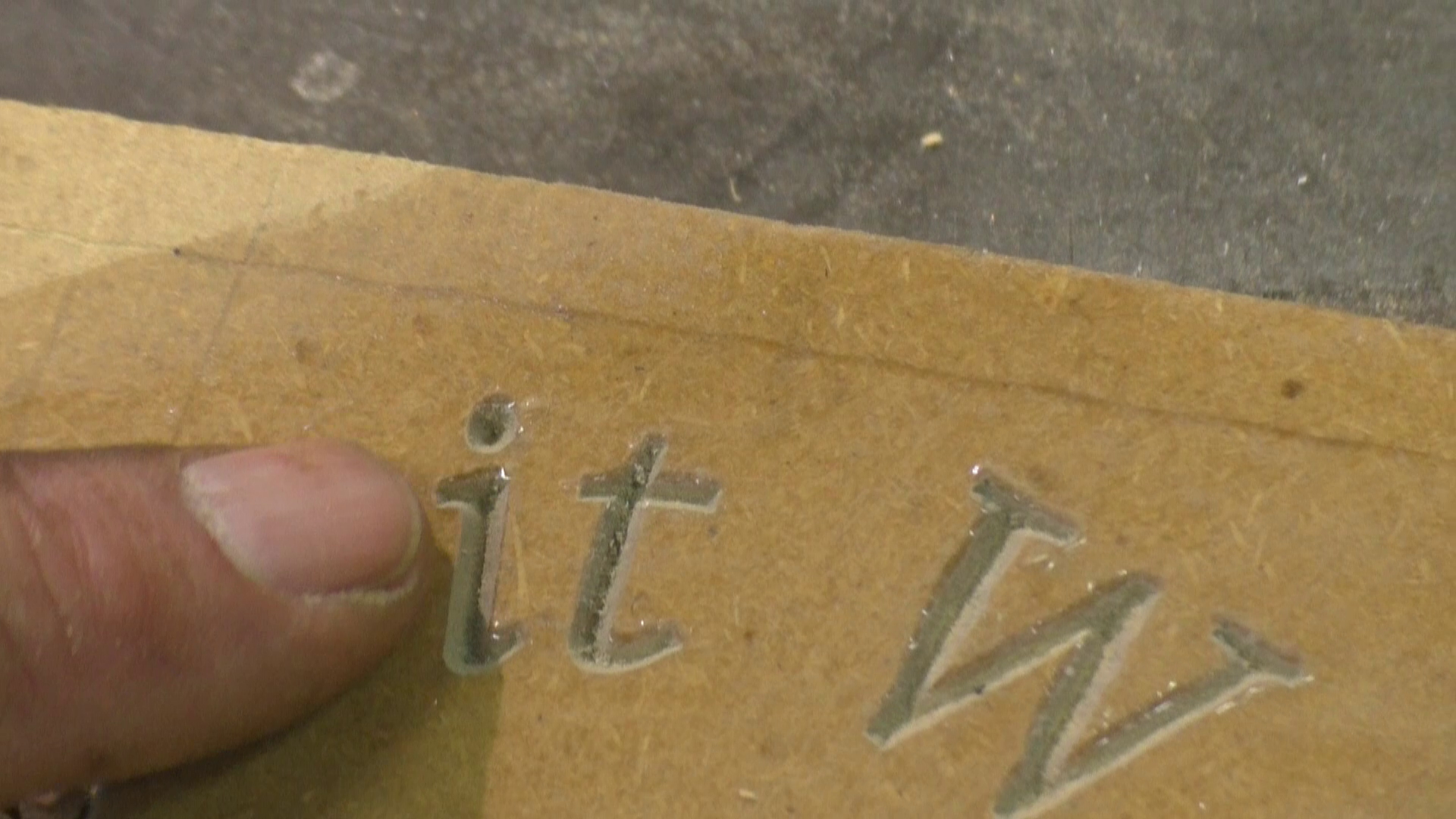
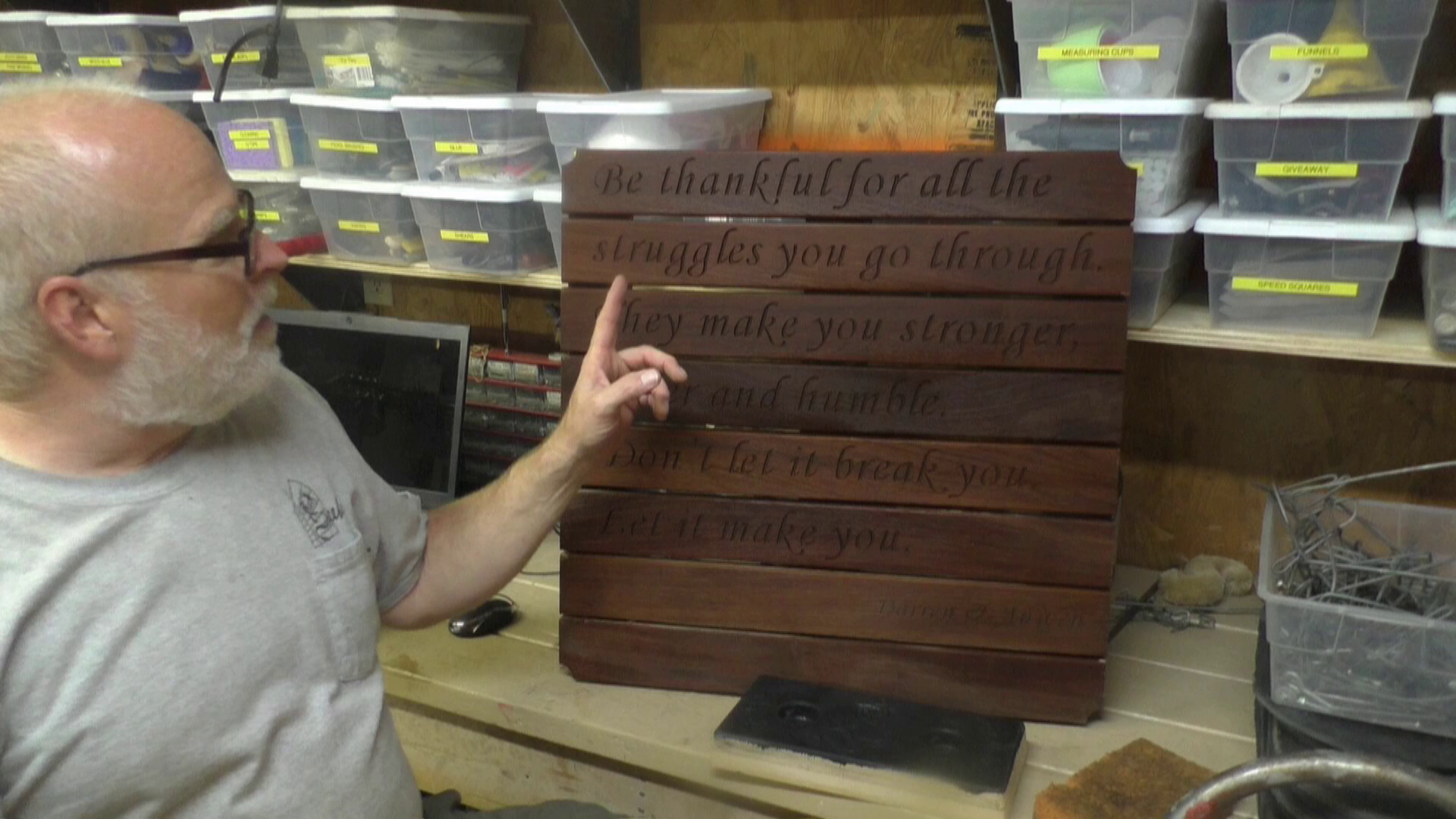
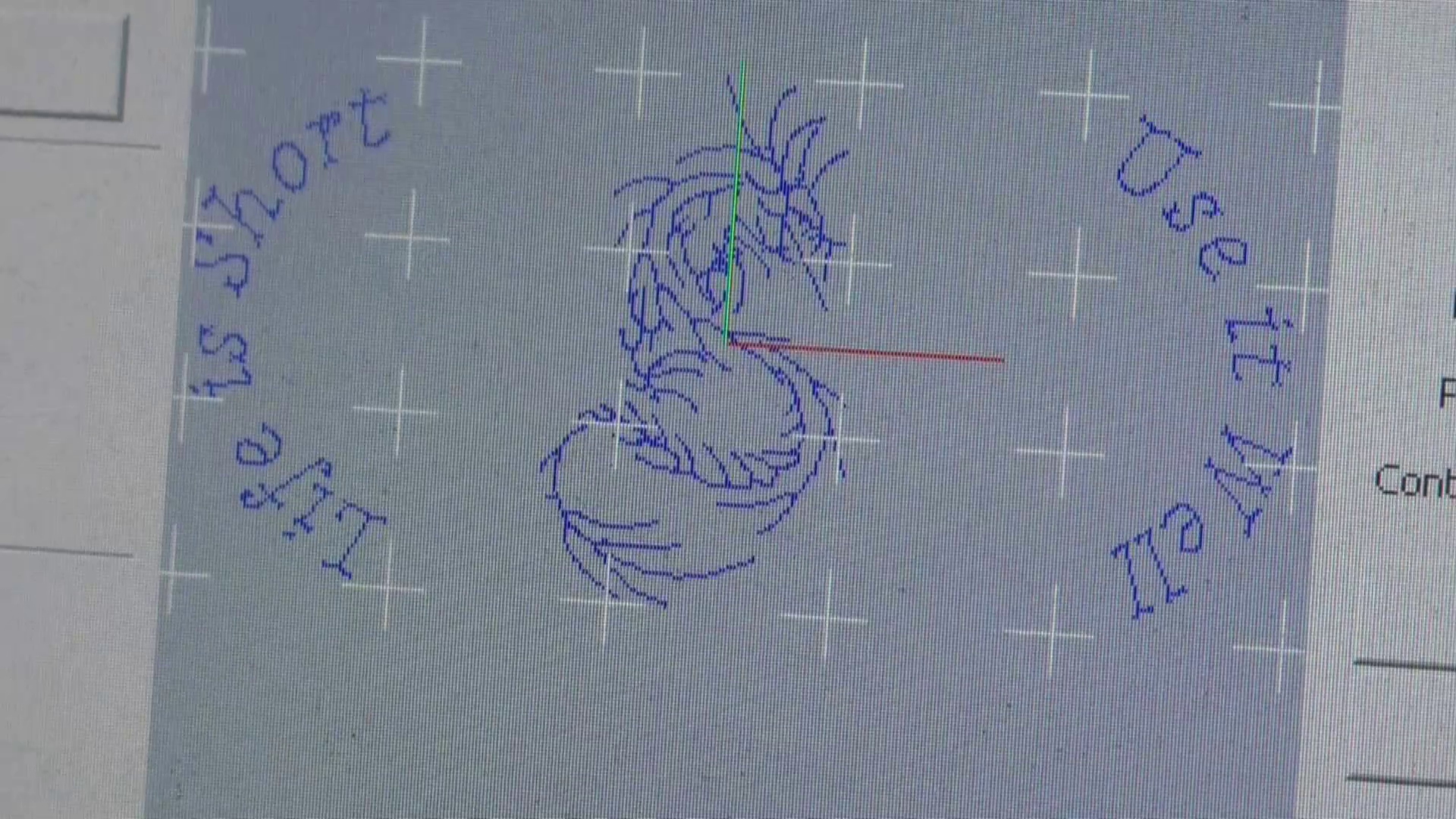
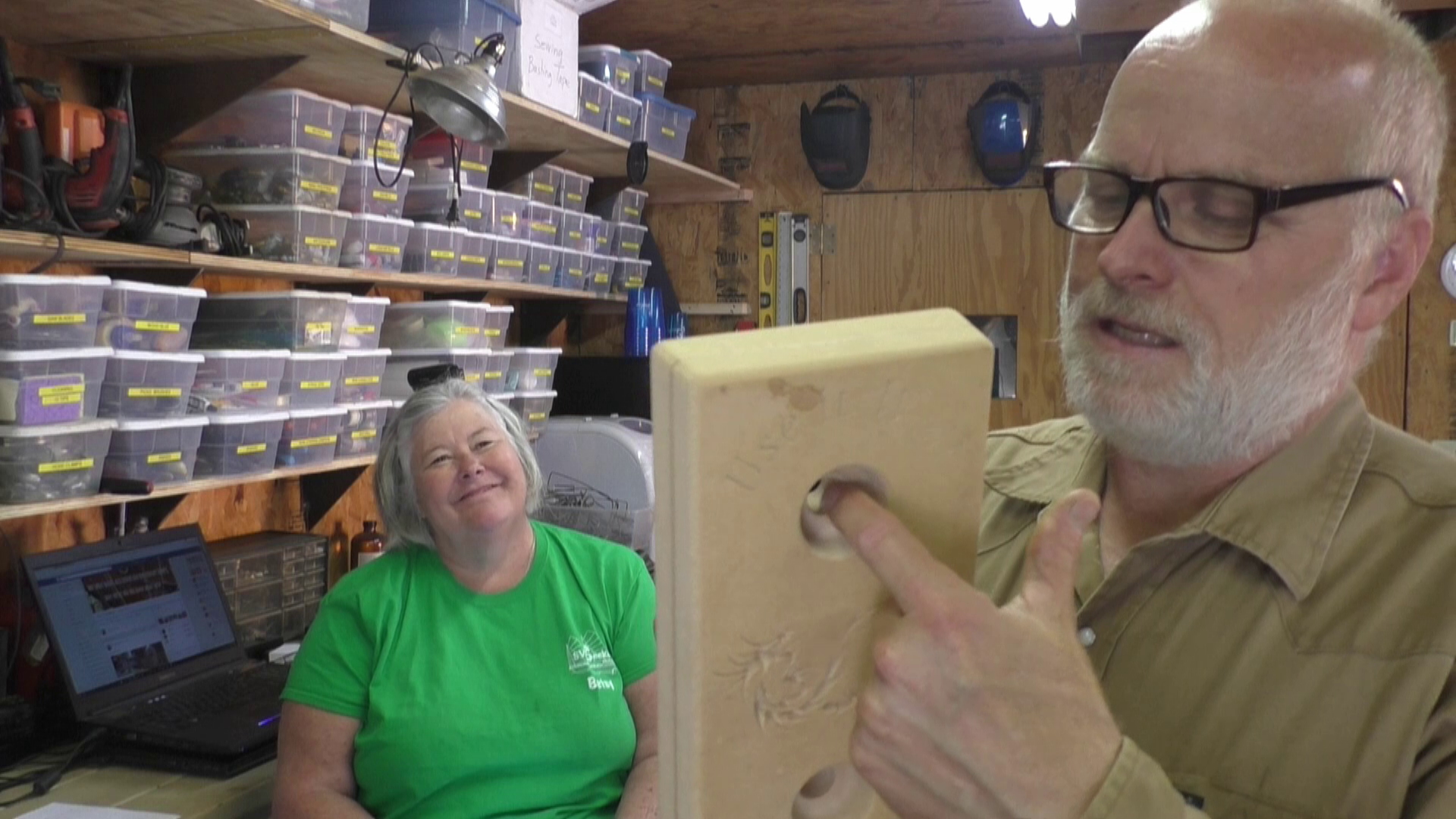
Bulwarks, CNC Routing, Casting Anodes, Decking, Chocks and more…

DougSteel Boat


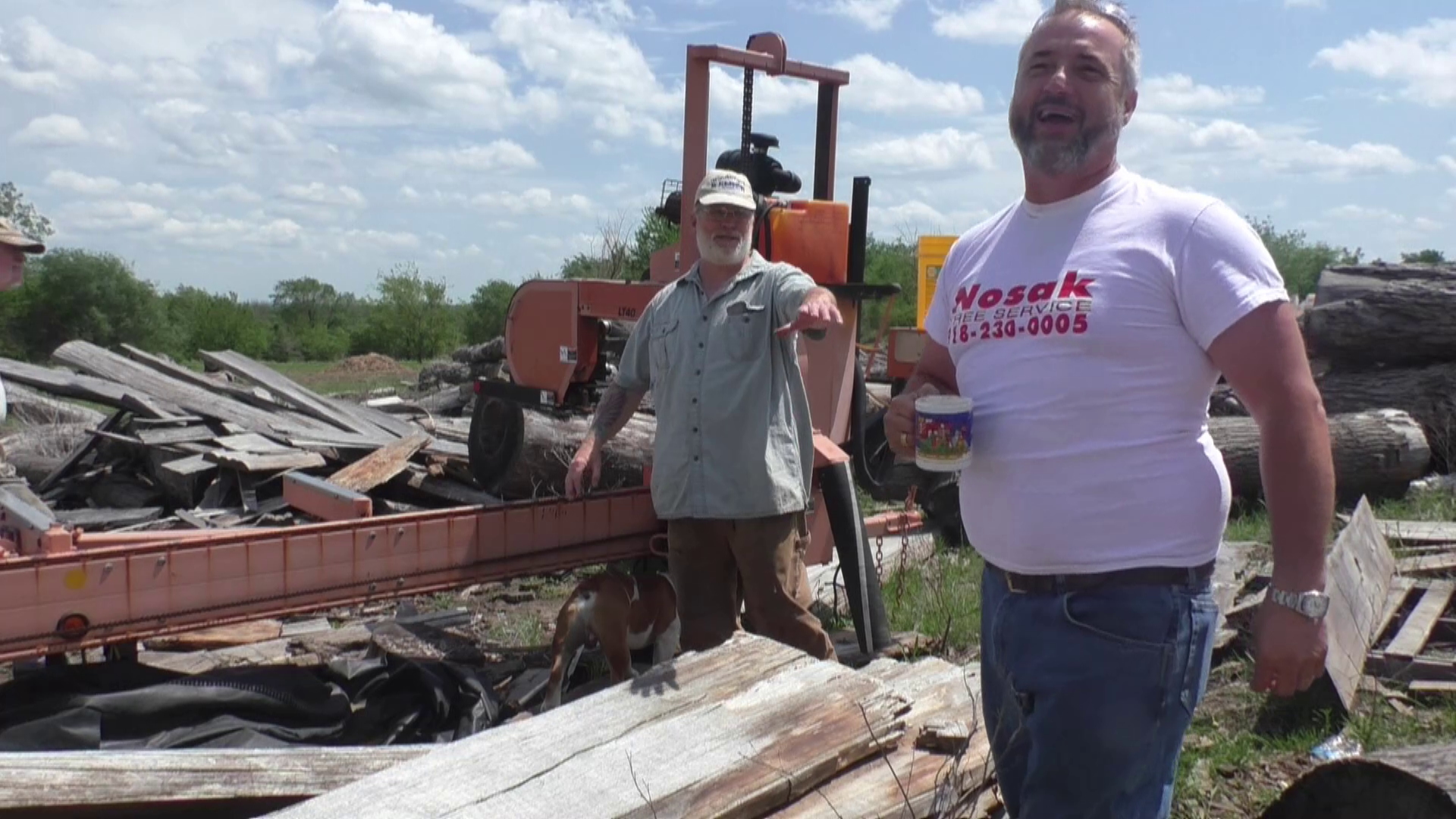
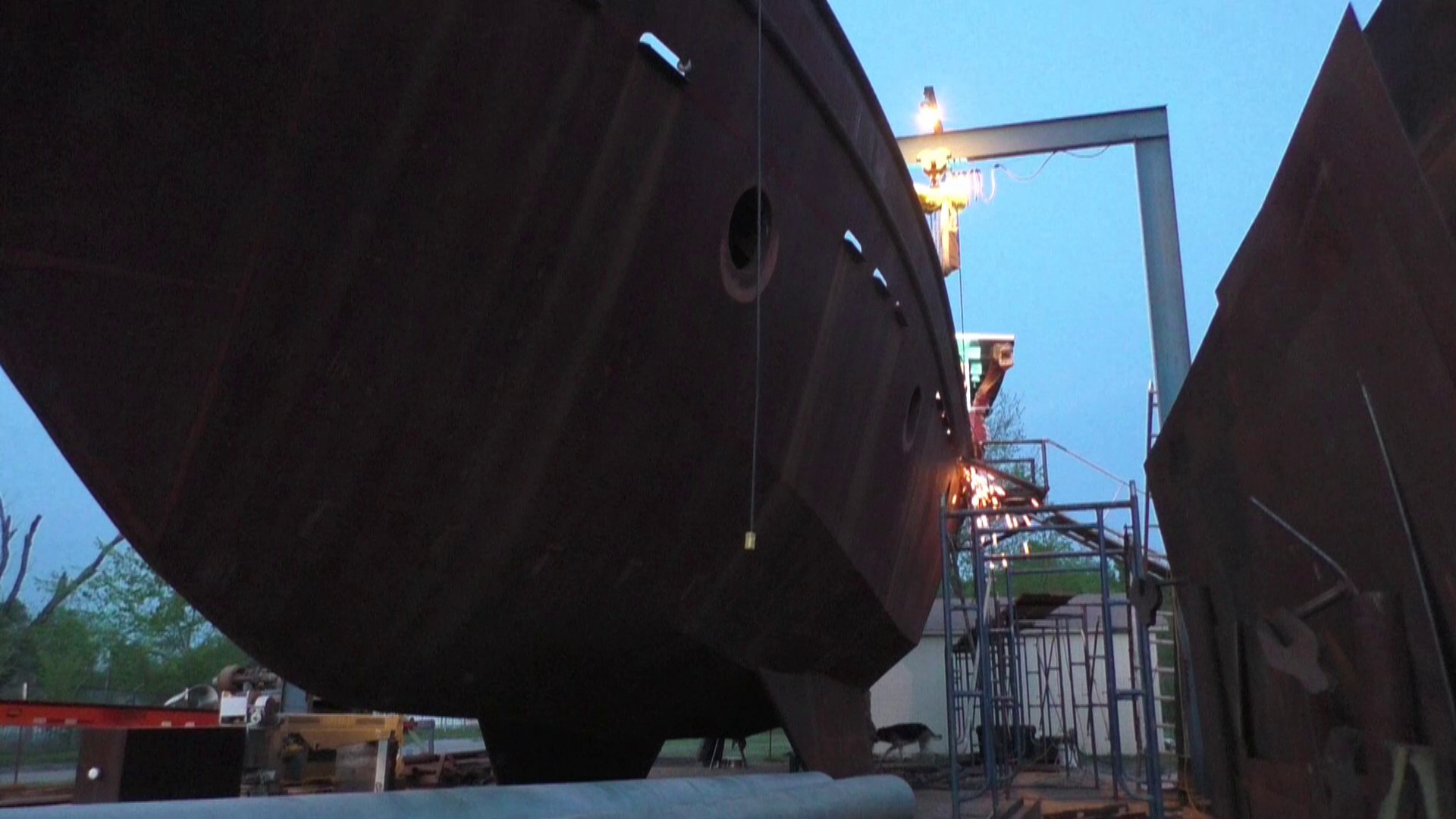
Sure is a lot of boat building stuff in this video. Loving this Spring weather and the progress. Many thanks to Bart, Paul, Nathan, David, a team from Oneok and Betsy for making it happen.  And thanks too, for our viewers and supports.  Keep it positive and keep the dream happening.


Cathodic Protection

DougSteel Boat

Cathodic protection is one of those topics that brings out the worst in boaters as too many think they have the absolute truth and few of them agree on it.  The truth seems to be vague because of the number of variables.   Fresh or salt or brackish water.   Steel, aluminum, wood, or fiberglass hull.  Aluminum outdrive, or stainless and bronze drive.   And an apparent big one:  anchoring out or in a marina.   Shore power or not, what is docked around you, and how bad are the stray currents.

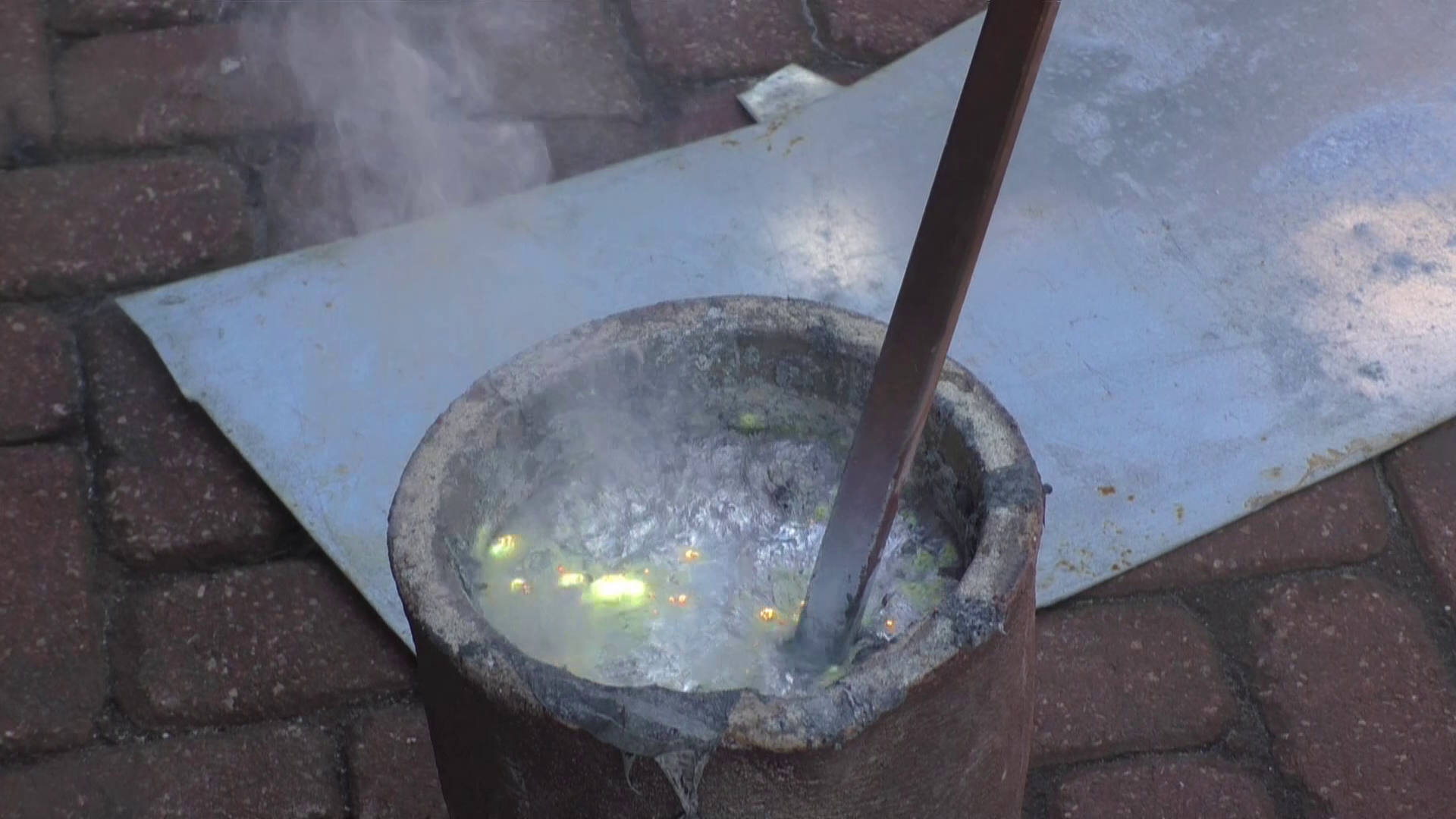
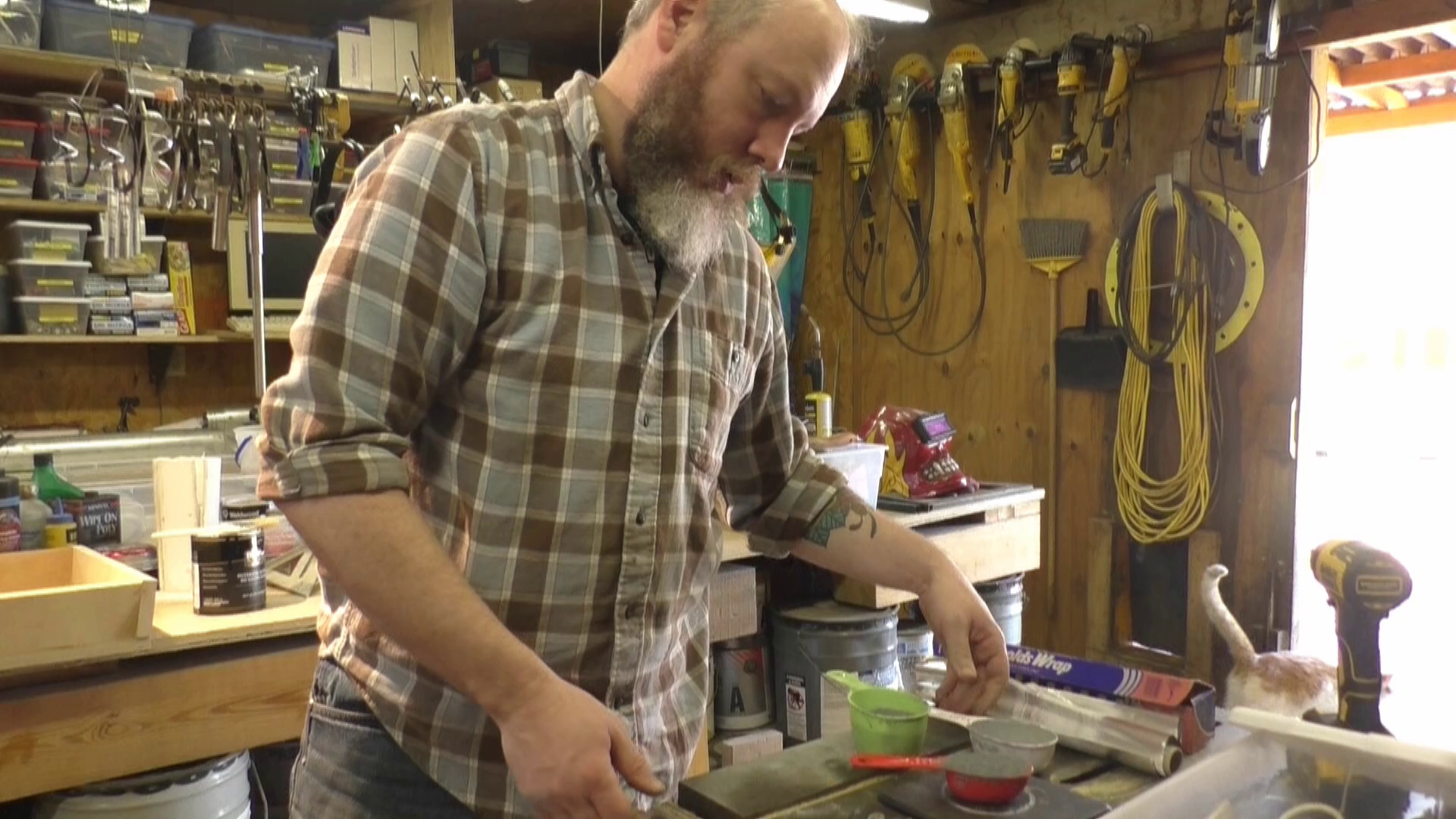
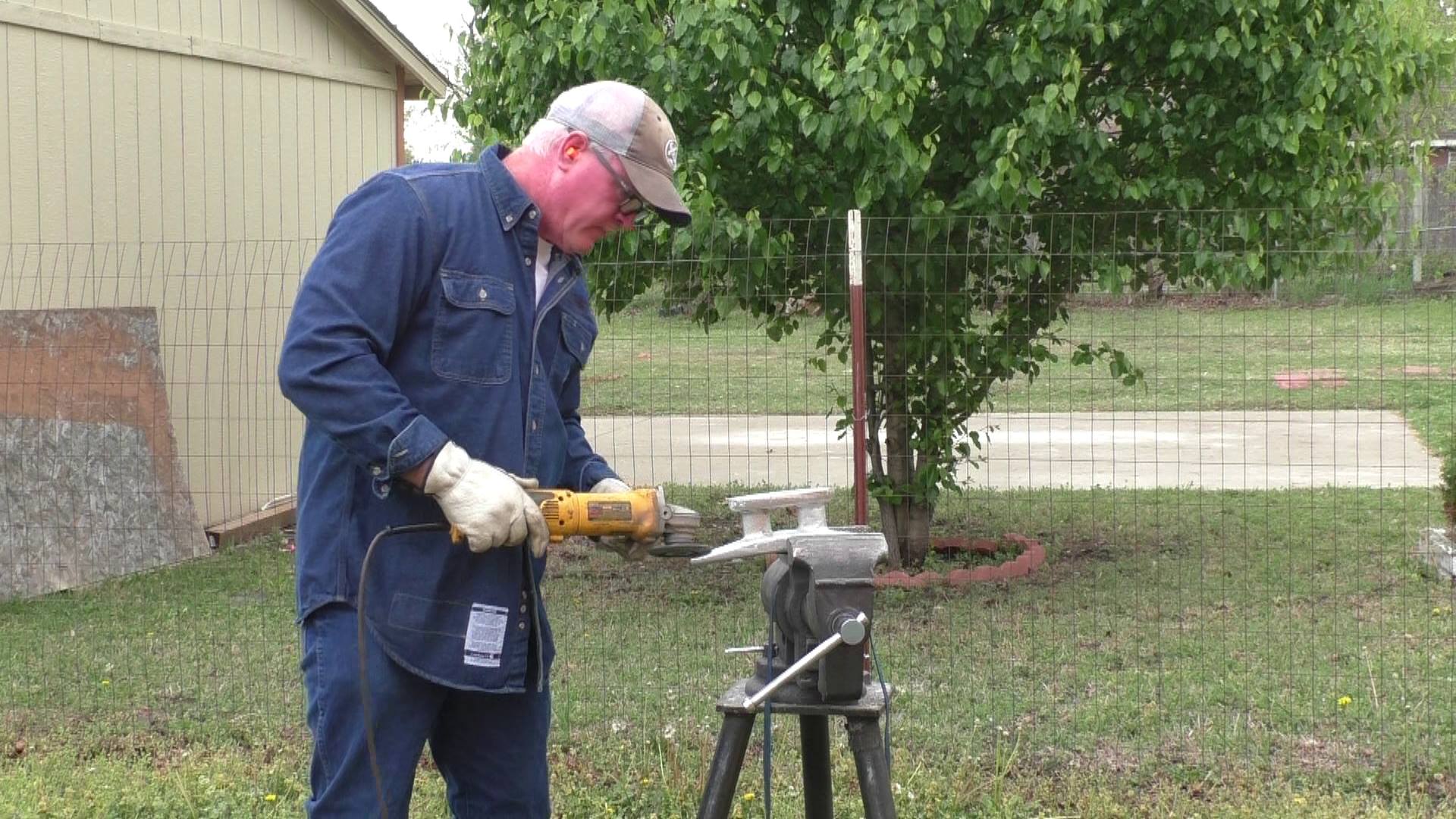
A boat the size of Seeker needs 12 to 14 zincs that are about 24 pounds each and measure 1.25 x 6 x 14 inches.   The alternative is aluminum anodes.  Finding scrap aluminum to make anodes is cheap and easy but to work correctly they need about 4% zinc mixed into the aluminum.   But old zincs are easy to find along the waterfront too, so we decided to see if we can make our own.

Resources:  Aluminum Anodes  Aluminum Anode Compositions  turned up from our viewers along with the confirmation from Cody that his Canadian Coast Guard vessel is using Aluminum anodes with 4% zinc.
You also get to choose if you want to weld them on or bolt them on.   I really like the idea of welding them on as their is no doubt about the connection to the hull, but bolting is reported as reliable so I’m going to give way on this one.  I like the idea of painting the bolt hole so that portion of the anode remains solid and prevents the connection at the base and at the nut and washer from prematurely loosening.

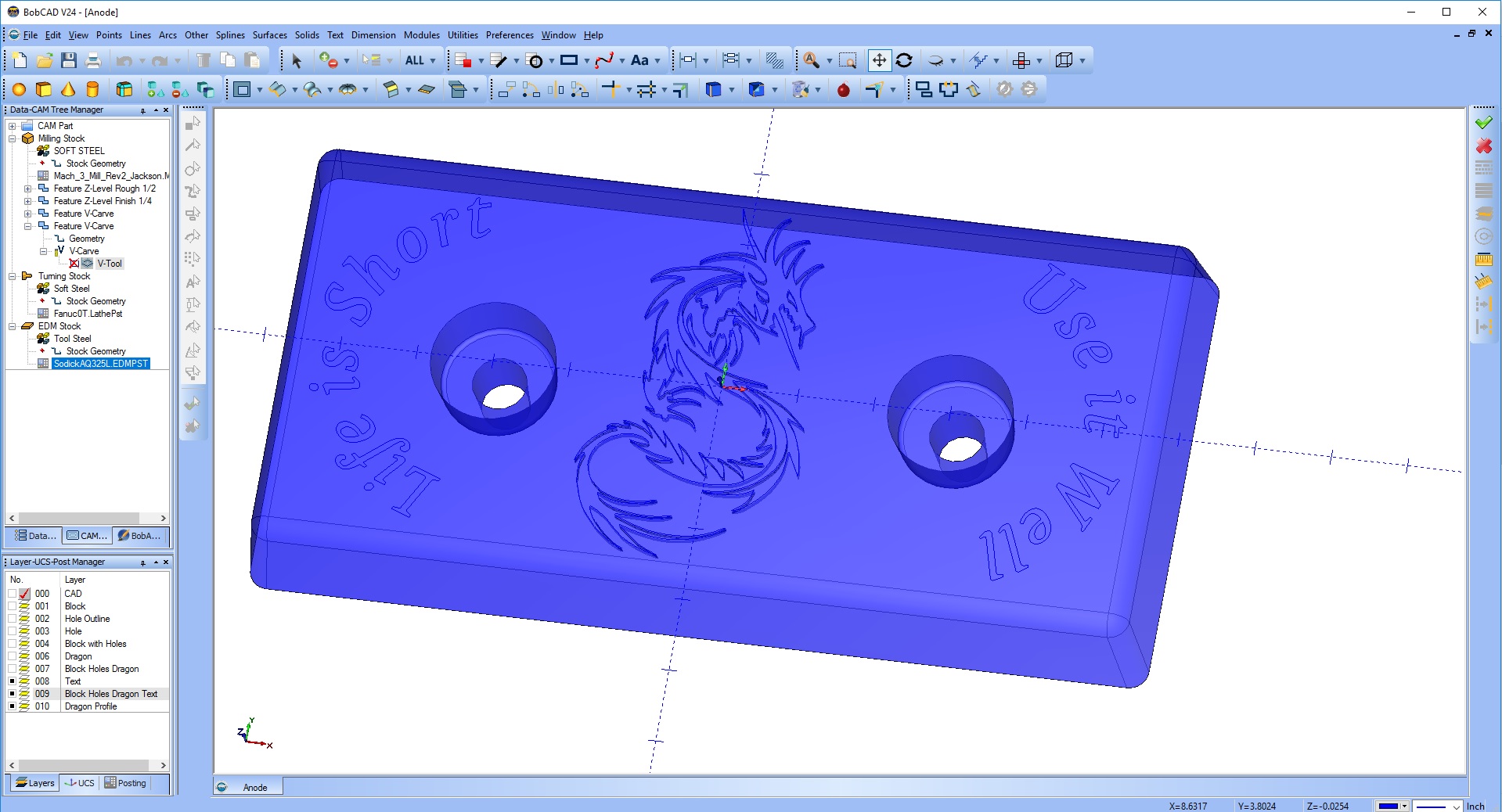
So we copied a commonly available design that is about 1.5″ x 6 x 12 and bolts on to 1/2″ stainless steel bolts welded to the hull on 6″ centers.

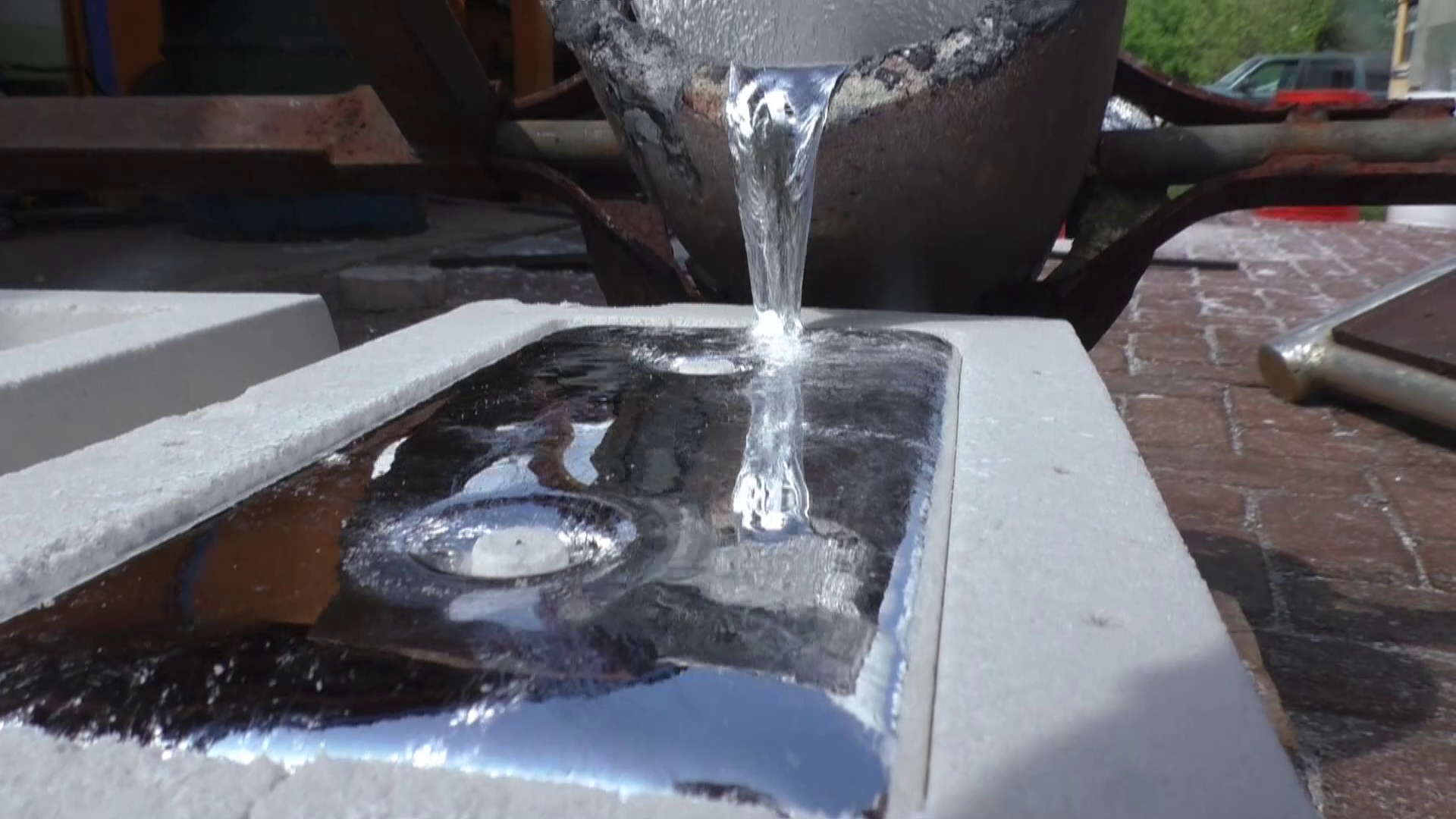
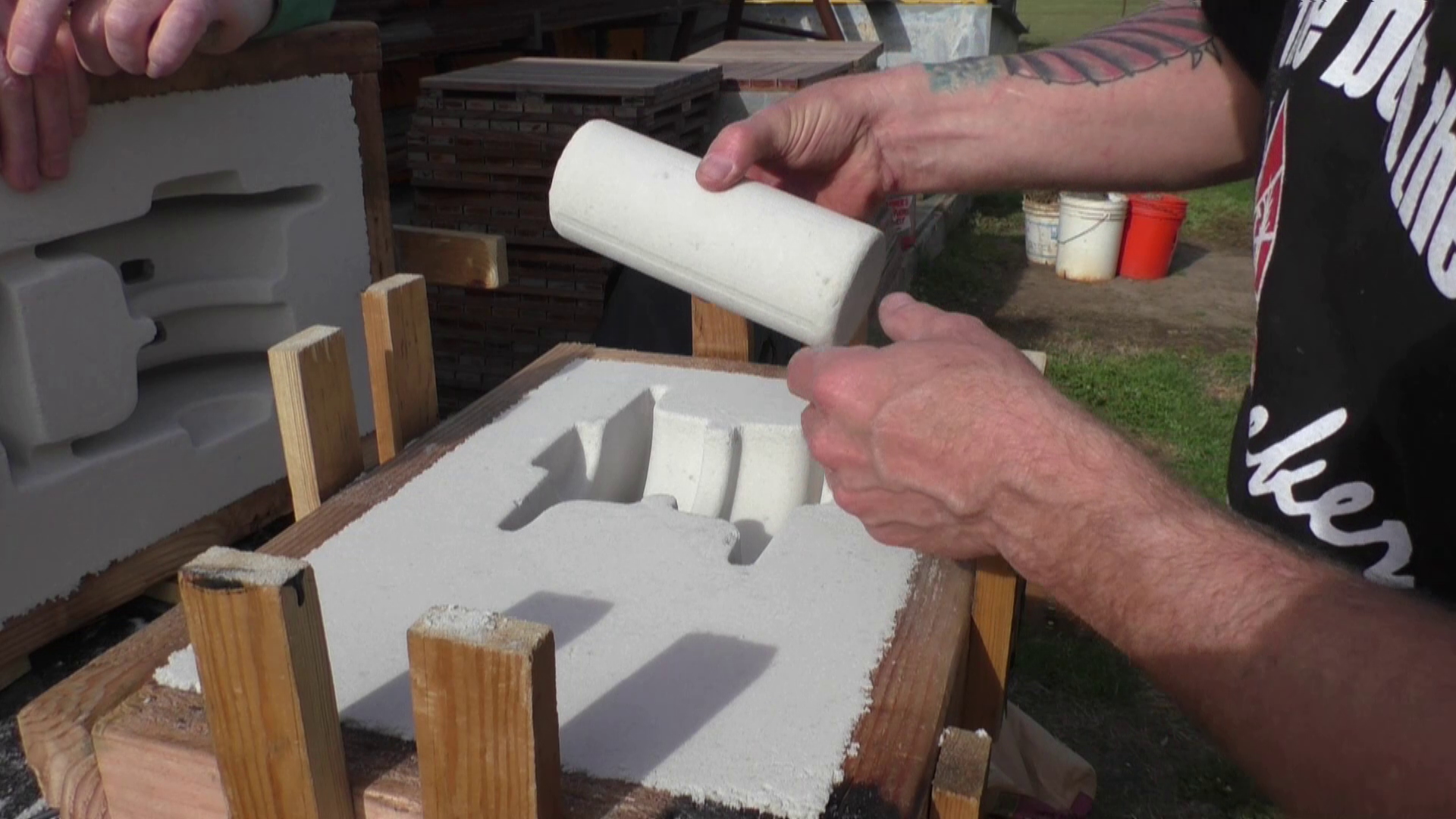
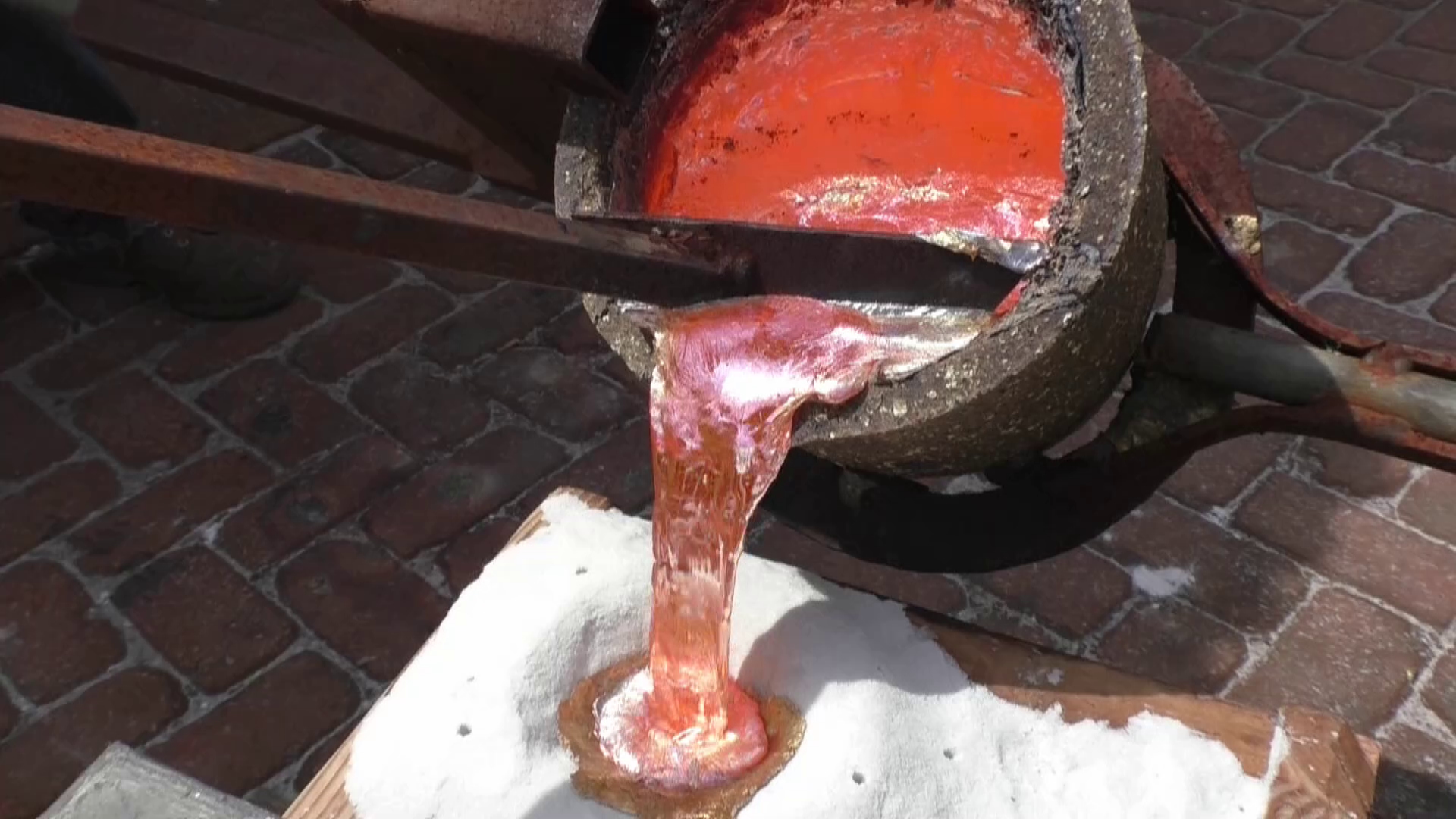
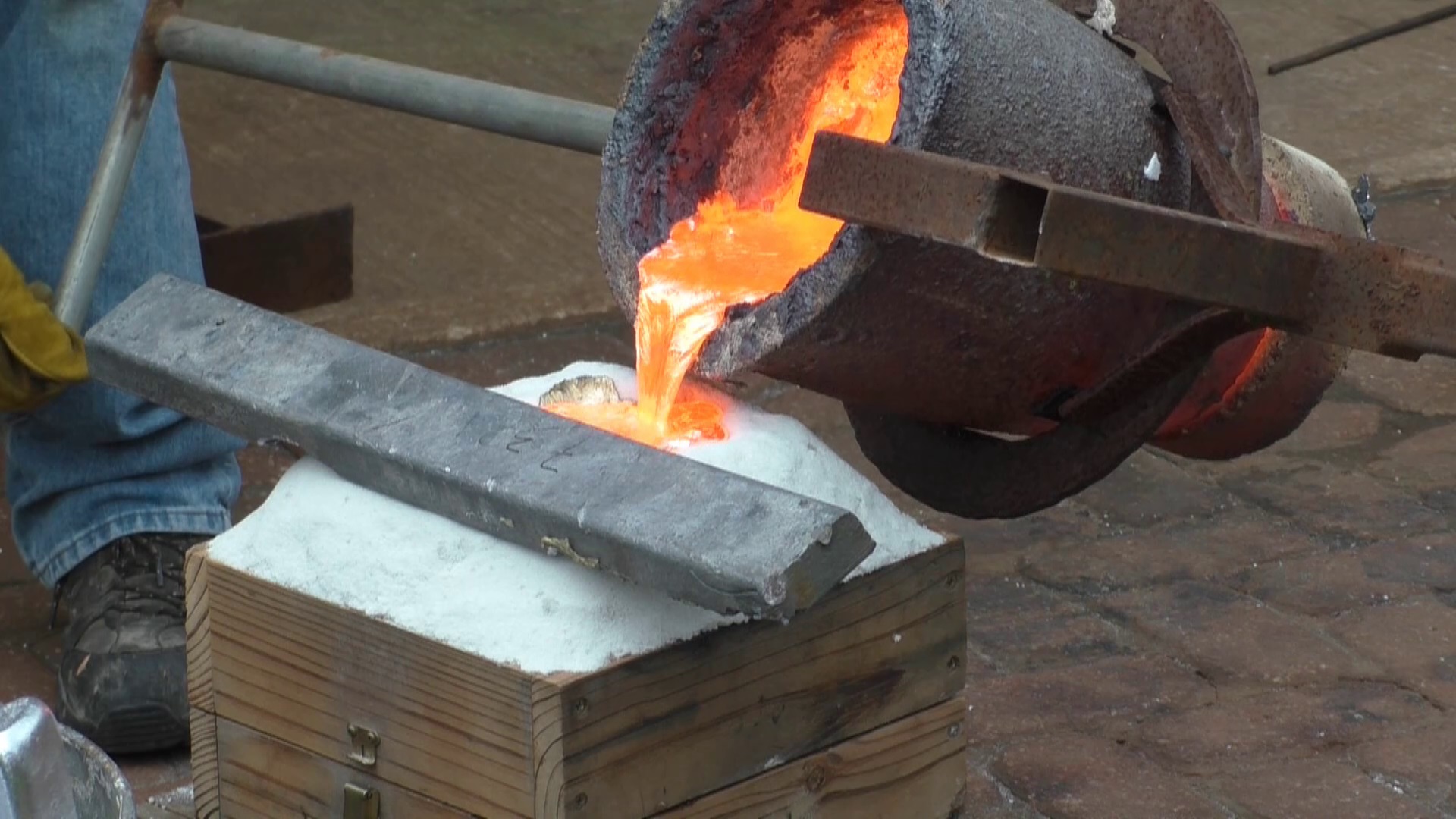
This will also let us practice open mold casting.
 

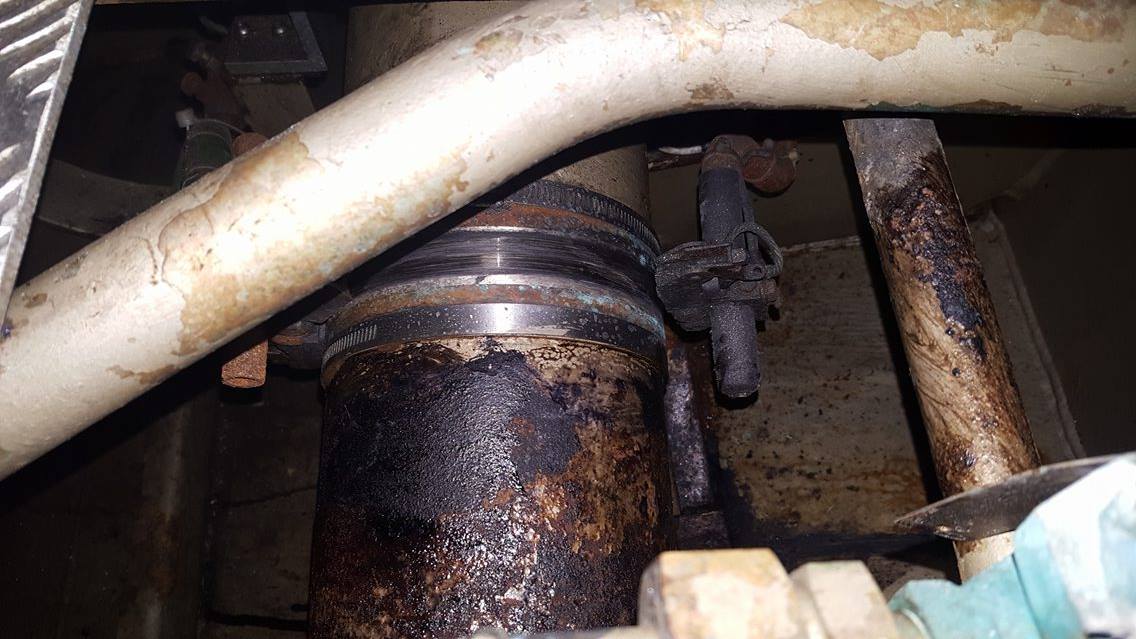
In addition to anodes the other apparently important devise is a grounding brush that connects the rotation propeller shaft inside the hull to the hull where an anode is located on the outside.  “Shaft grounding is just some spring loaded brushes running on the shaft. Heavy cable to the hull. If you wanna reduce wear on the shaft you can clamp on a band around it.”  –Cody
 

Metal Casting, Aluminum Bronze and Back to Welding

DougSteel Boat

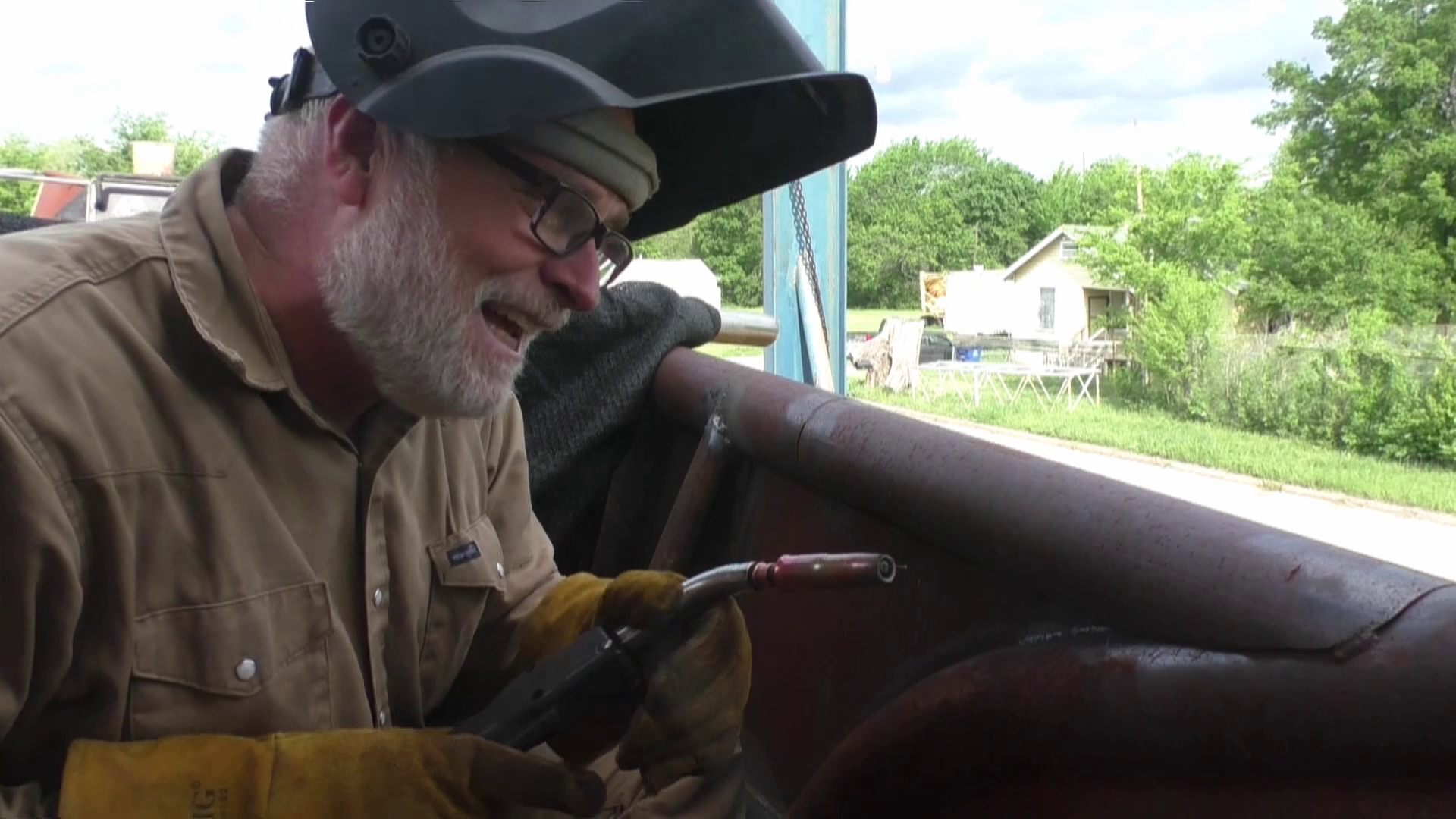
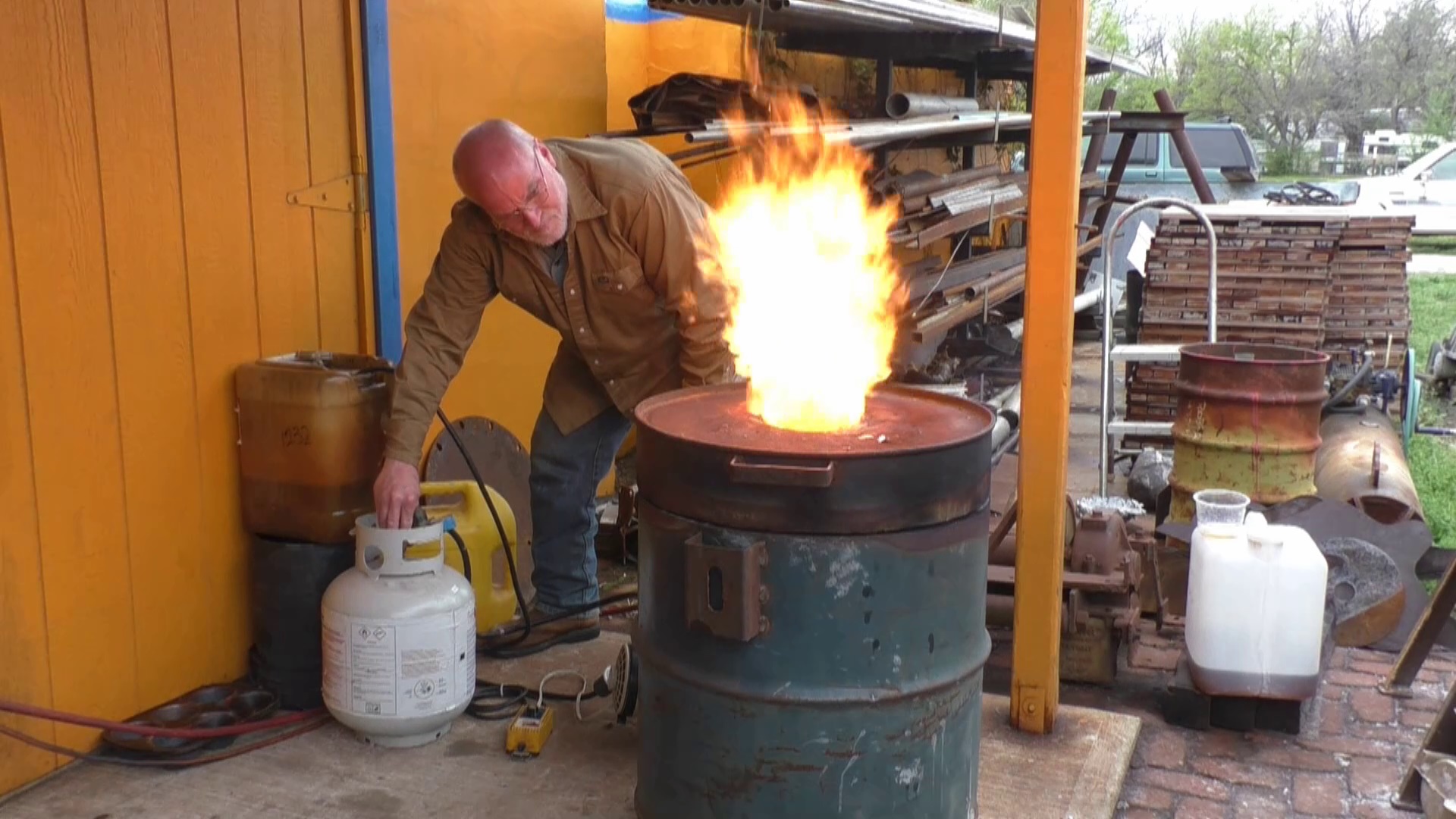
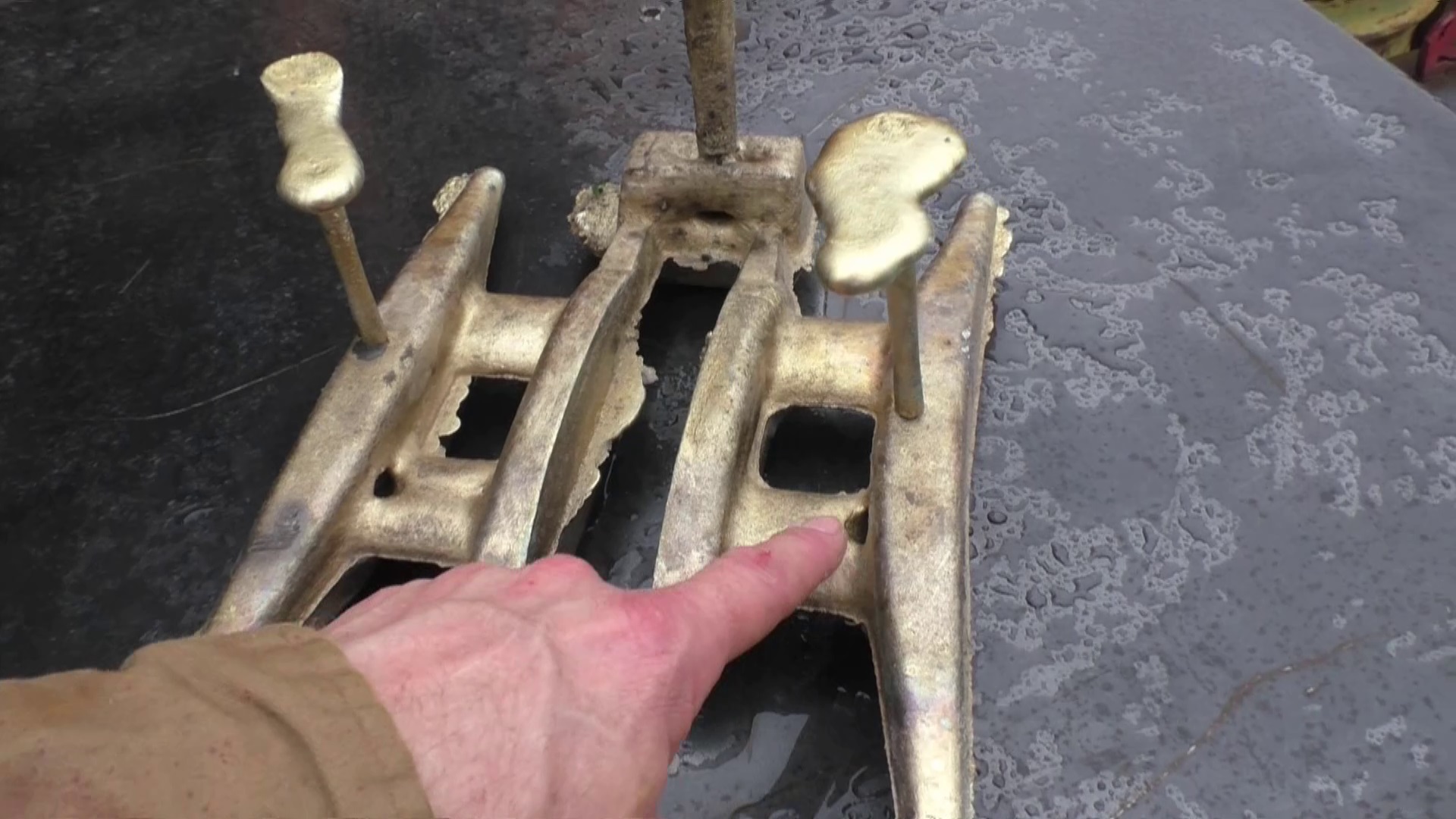
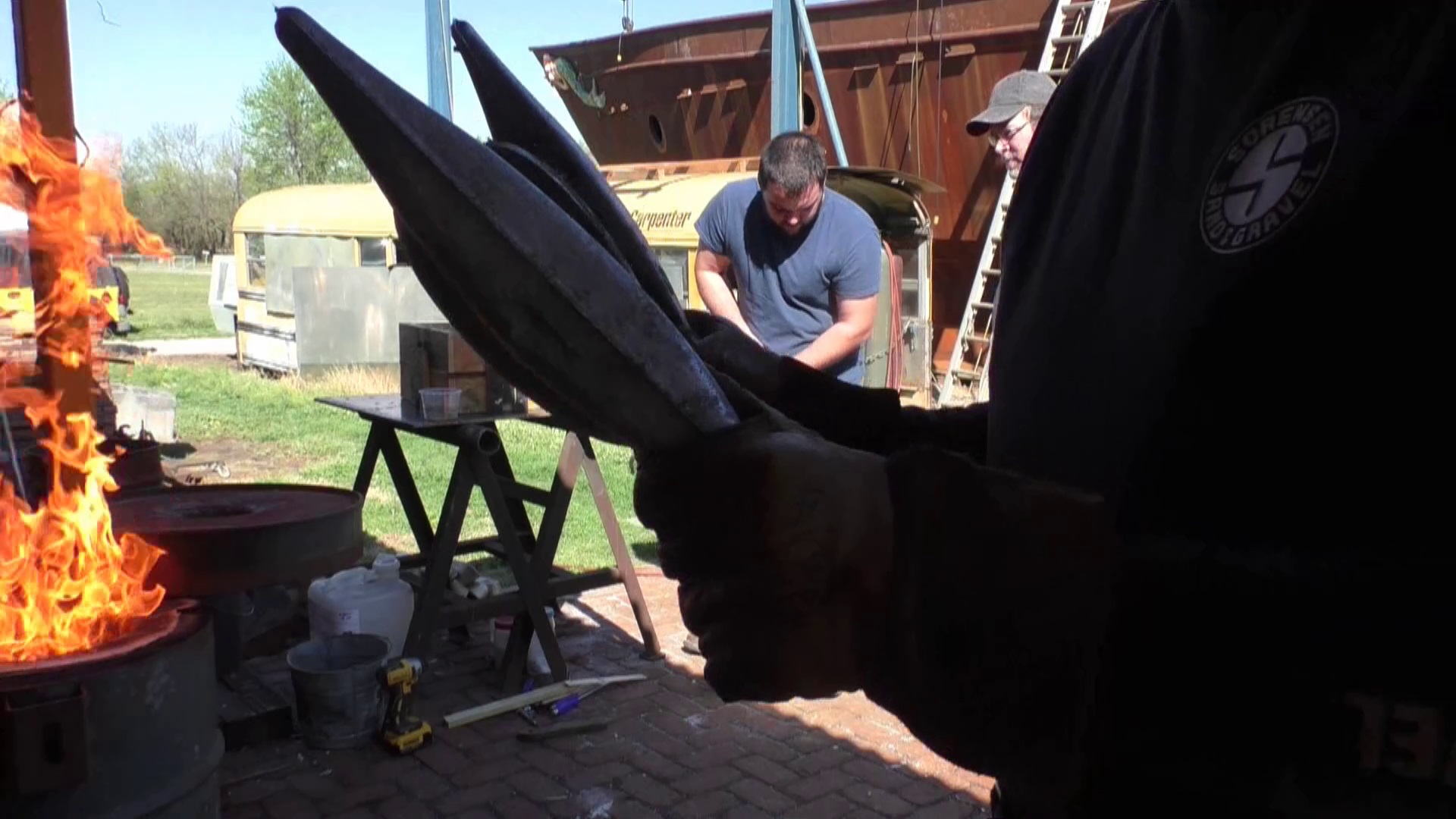
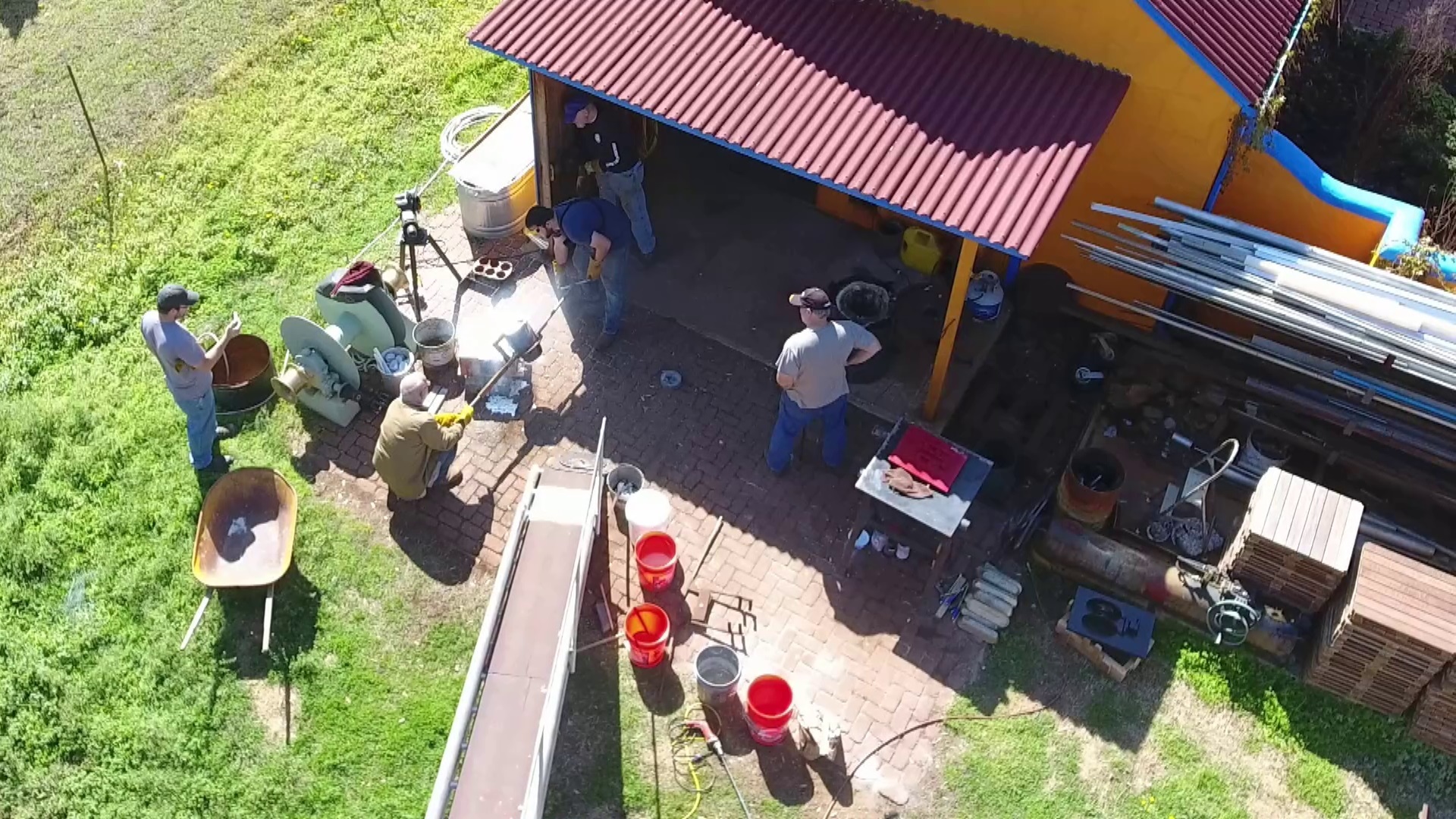
Nathan rode in from snowy Michigan.  Along with Bart we finished casting the bow rollers and cleats for Aluminum Bronze and then Nathan demonstrated once more that you can become a proficient MIG welder in less than 5 minutes.


Metal Casting, Aluminum & Aluminum Bronze with Match Plates

DougSteel Boat

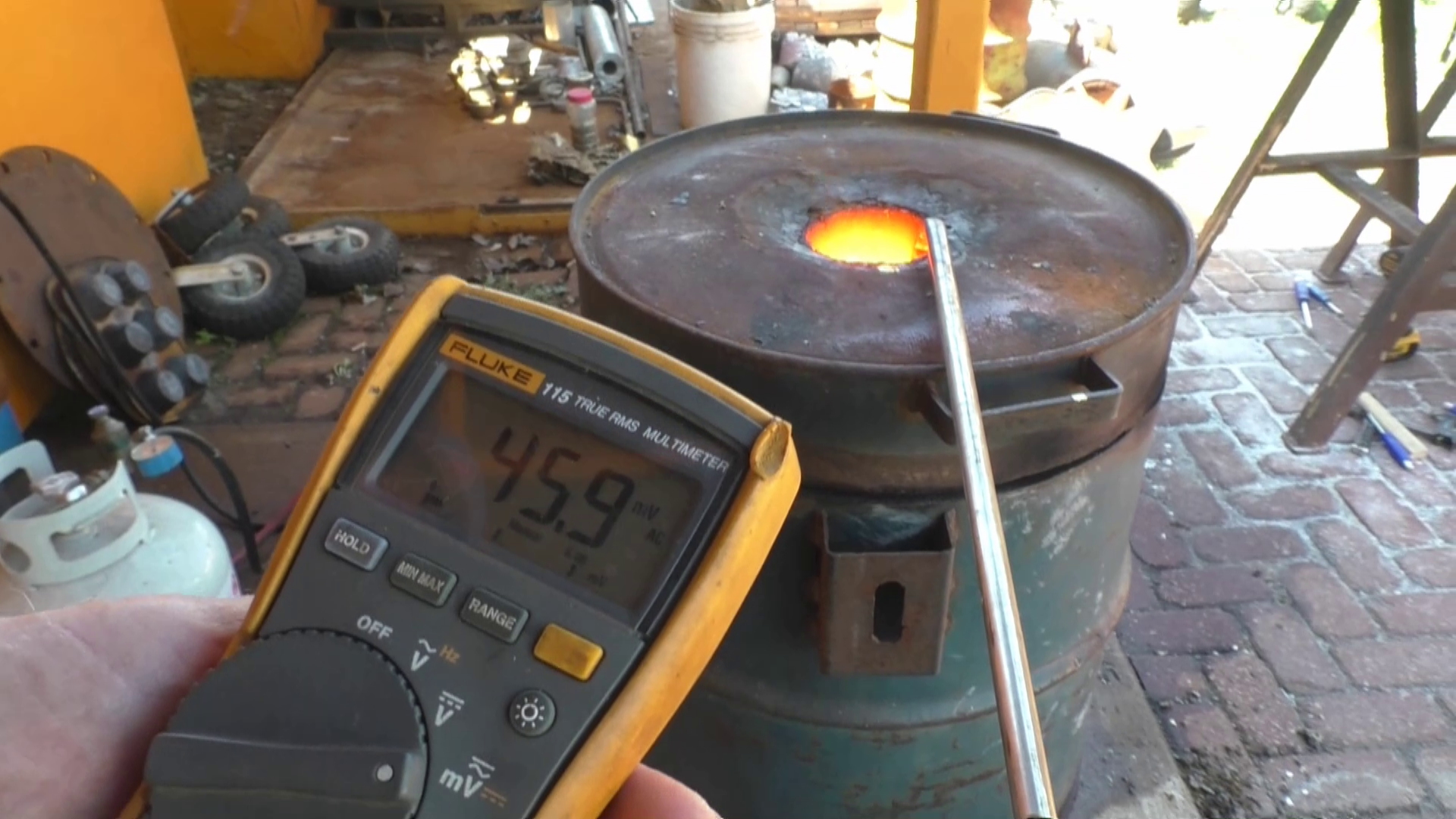
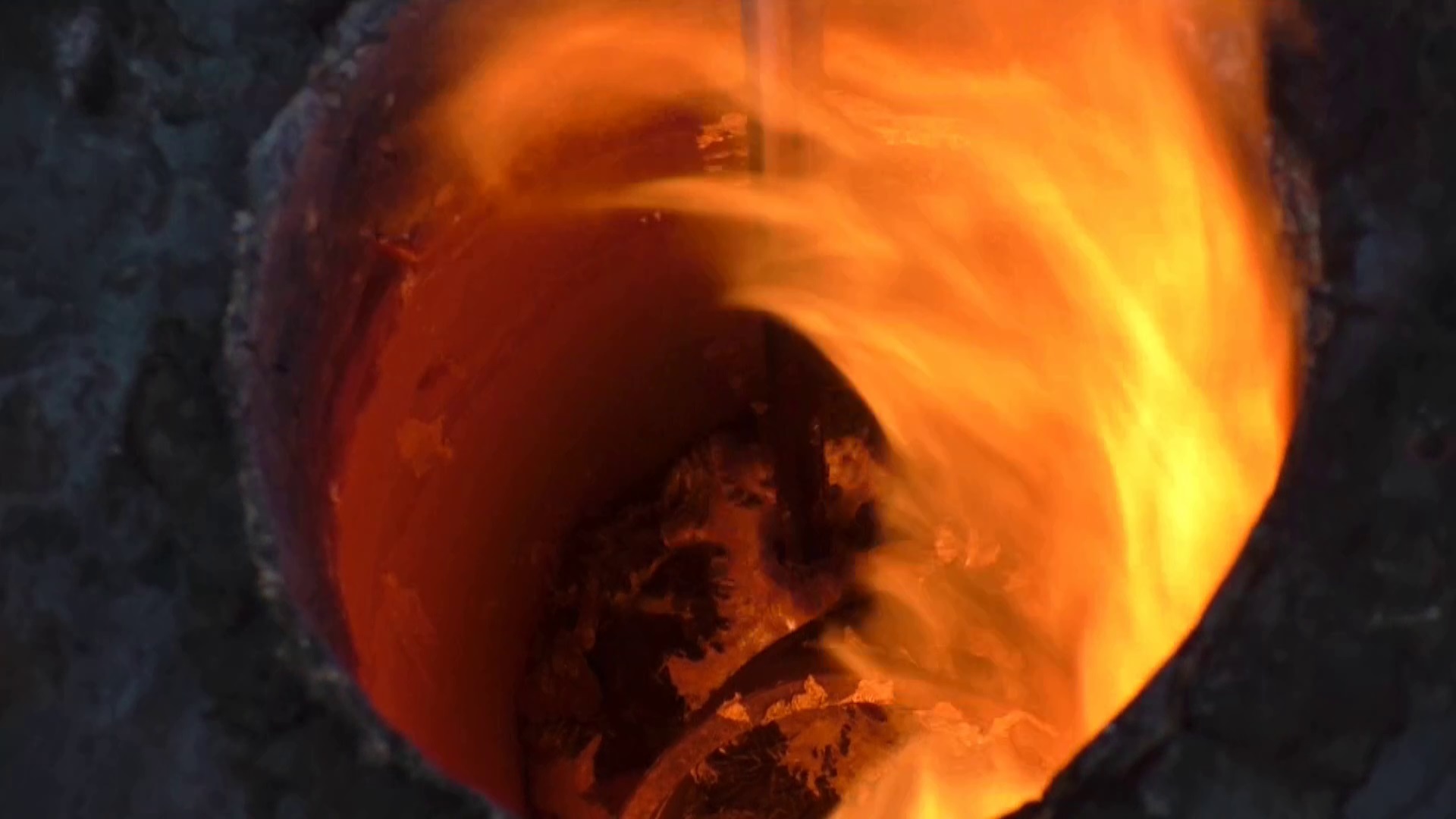
Ya just gota love the beauty of pouring molten metal into a mold and watching something form that will last for thousands of years.  It just never grows old.

And we got lots of great assistance from Bart, Richard, Chris, Betsy, Paul, Tom, and Drew Smith who drove over his thermocoupler and even those tourist; Thomas, Jason and Ed that dropped by and were totally cool about hanging out while we were really busy. And our Mazzios Pizza delivery guy who got the cheese bread with jalapenos here while is was still hot. Awesome Weekend. Seeker Crew Rock! Oh! And happy April Fools Day! …that was Betsy’s work. 


Seeker LIVE – Apr 1, 2017 – Metal Casting, Plasma Tables, and other stuff

DougSteel Boat

We started off our Saturday 10 am Live Feed with some casting and we got 5 pours done today. Betsy shot a second casting of a bow roller later in the day that is posted on the FaceBook https://www.facebook.com/ohmymy40/videos/10211406922024711/

Thanks to Richard Day, Chris Browning, Paul Hatch, Bart Robinson, and Drew Smith for helping out with the castings today.

Casting Patterns, Flask, Camera Gimbal and Routing Rubber

DougSteel Boat


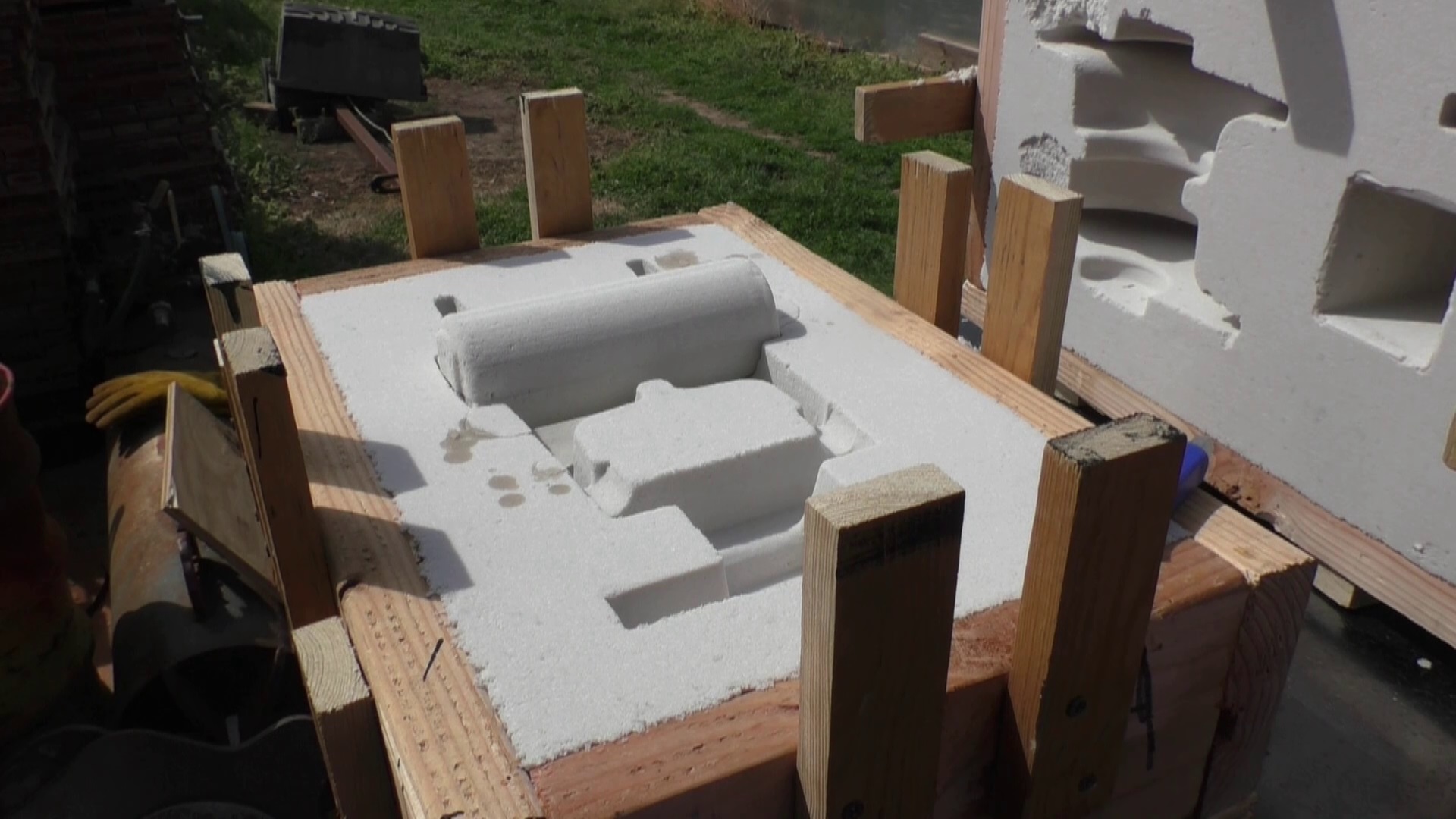
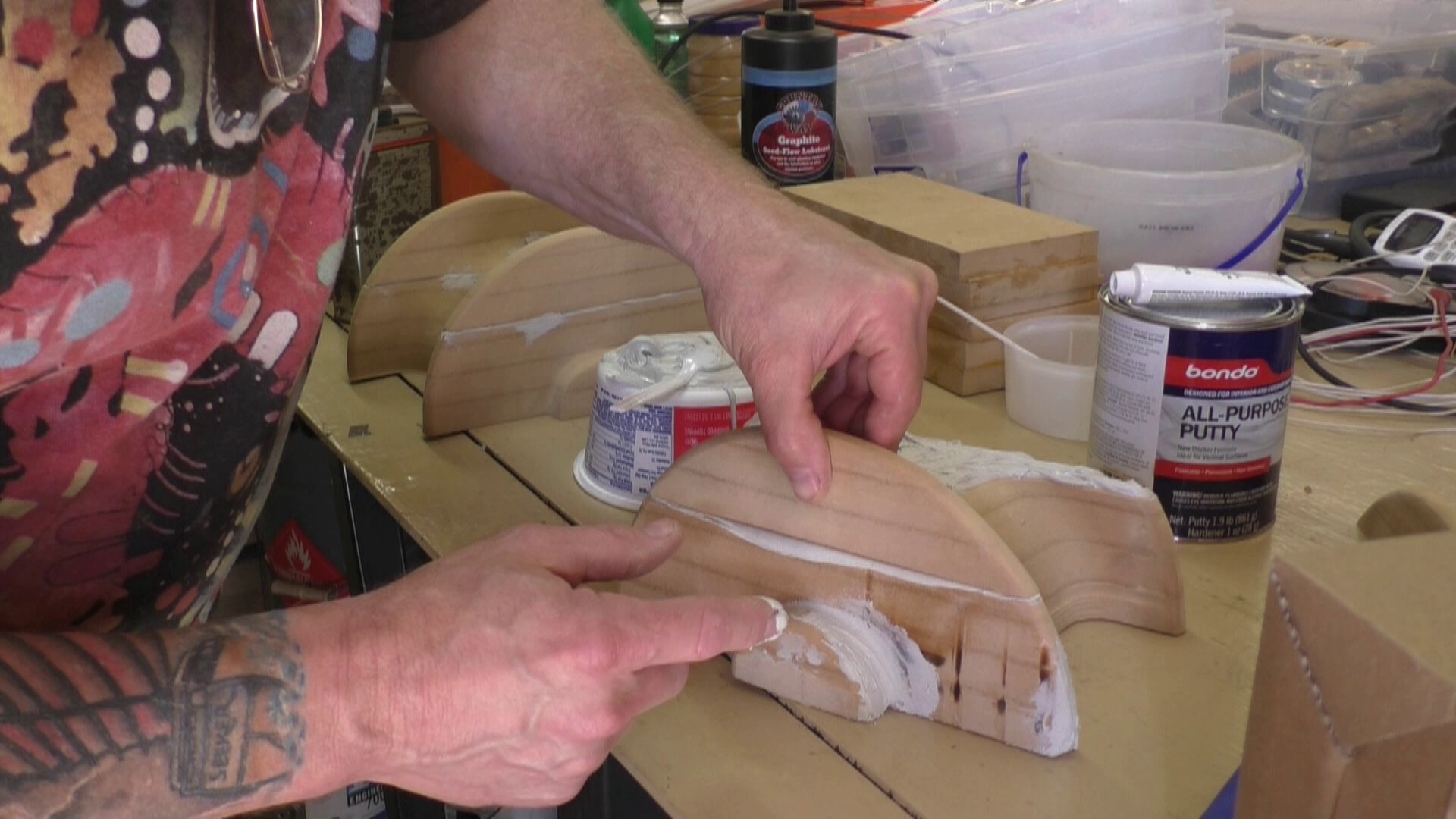
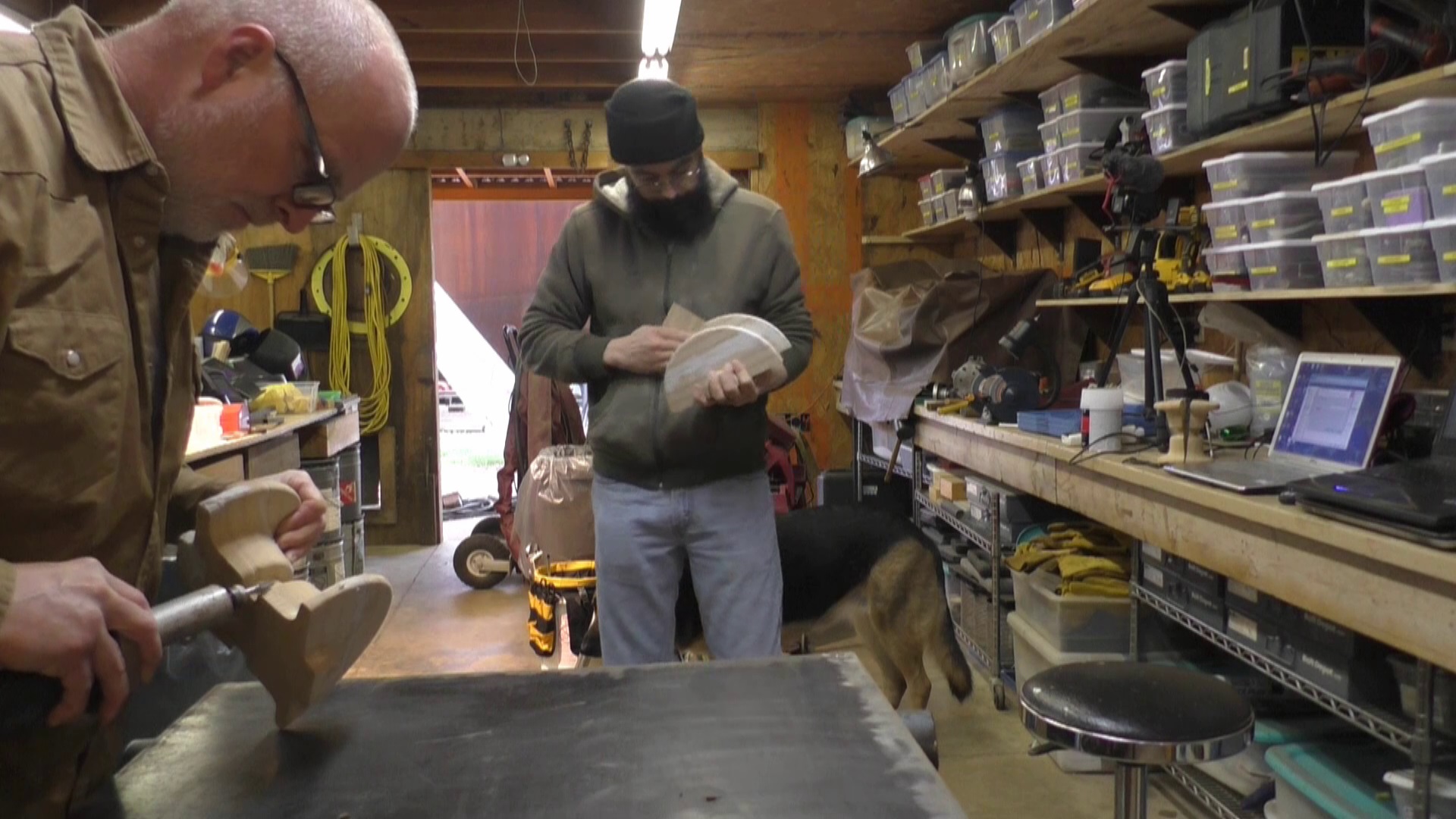
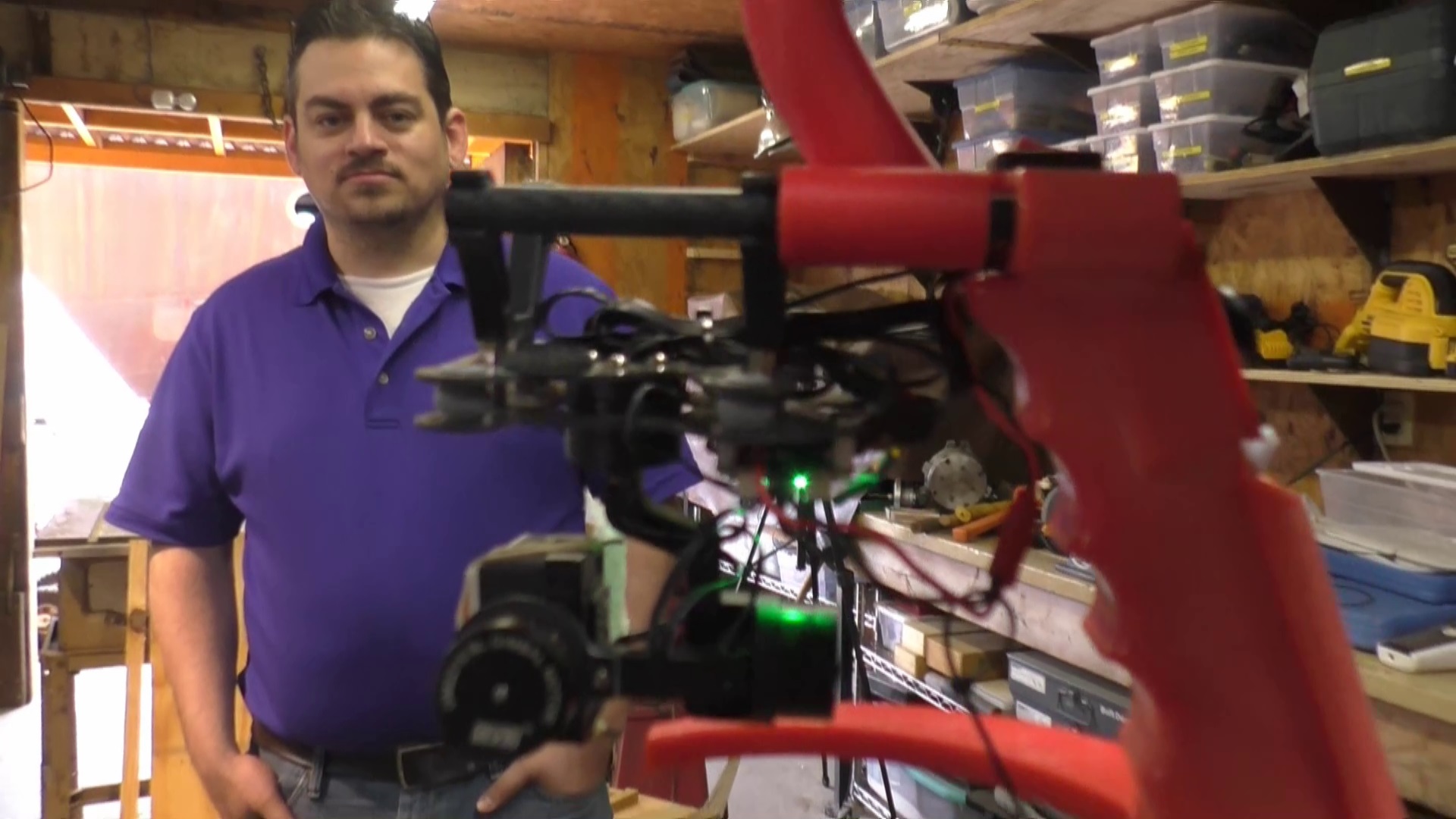
With Sean White’s help we are ready to do some casting this weekend as the weather allows.  Scott Rokeby fixed us up with an awesome gyro stabilized camera, and we cut the last of the fuel tank gaskets. We have very much enjoyed your project photos!  And I am all out so send more.  Attach a photo to SVSeeker@ymail.com and put “Project Photo” on the subject line.  Share your creative side and be an inspiration.   –Doug
 

Laser?

DougSteel Boat

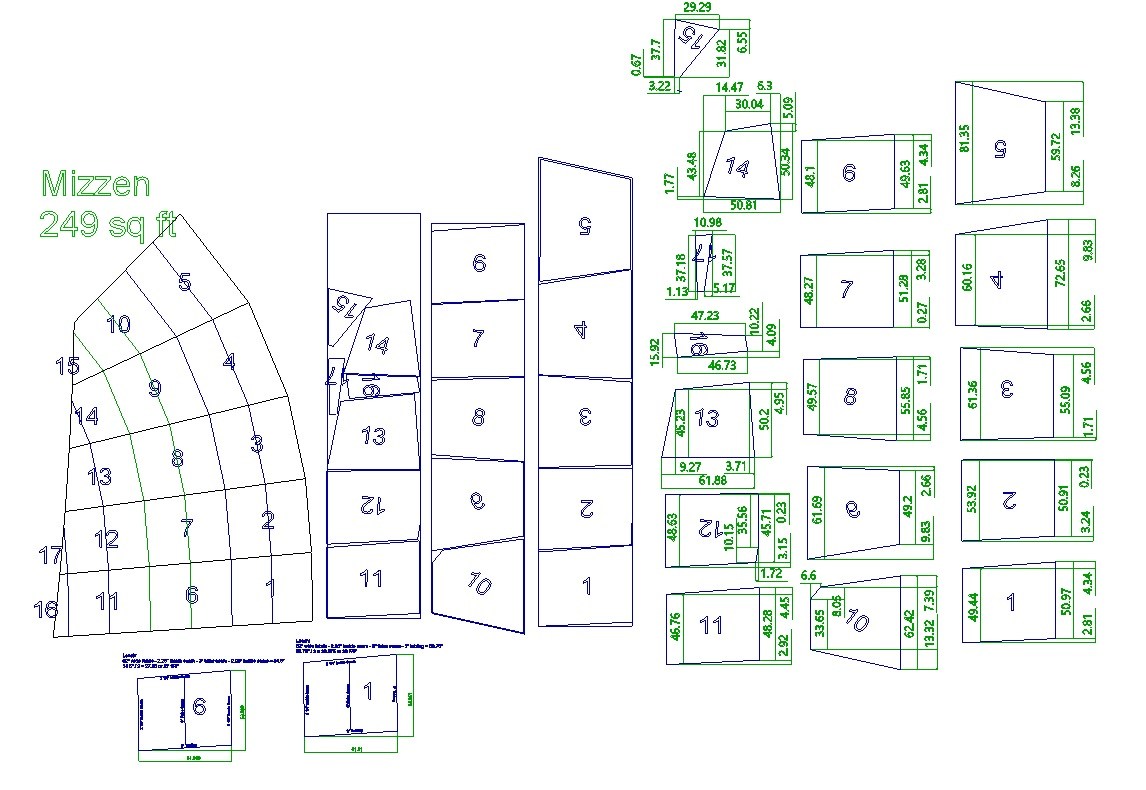
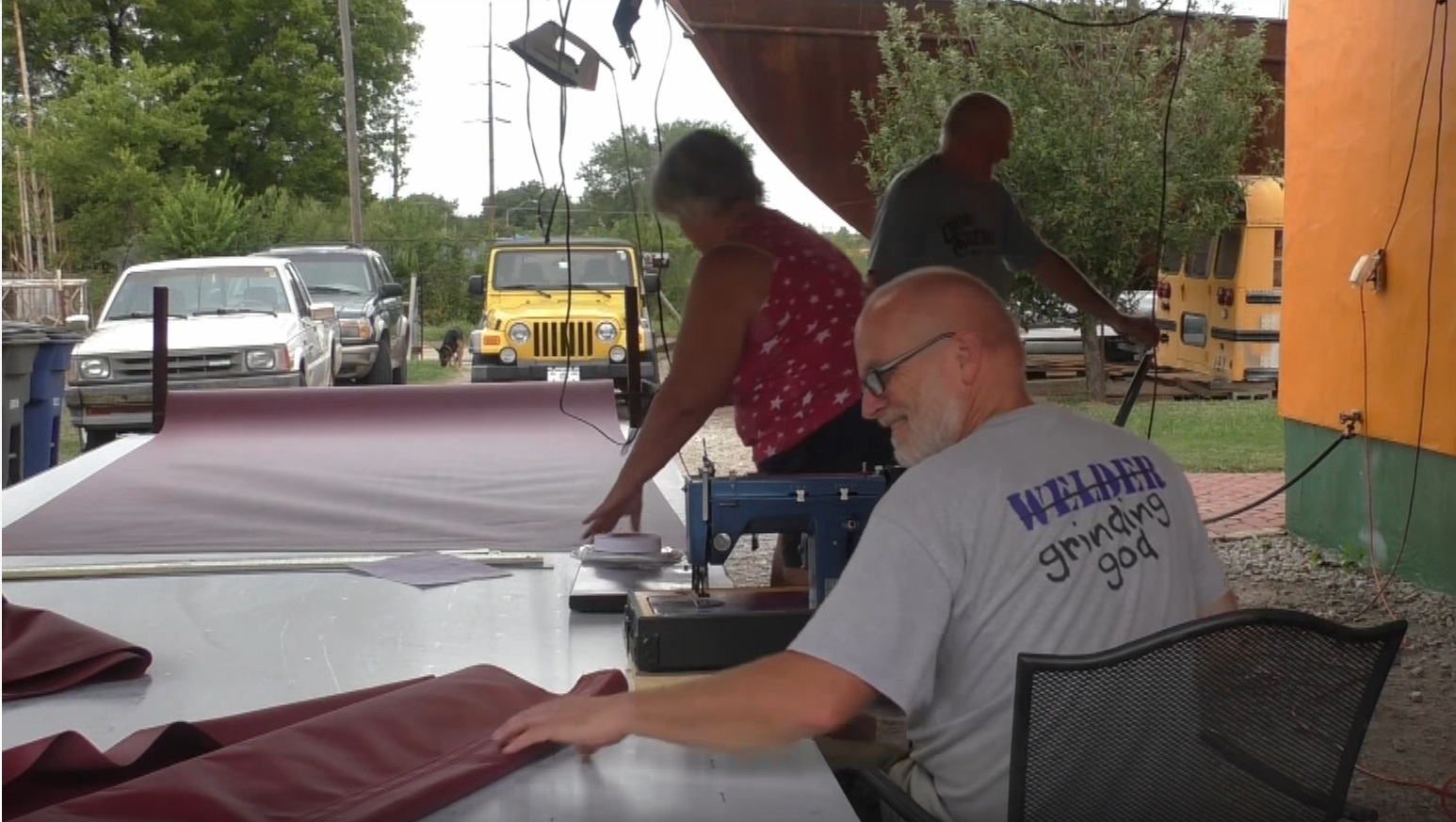
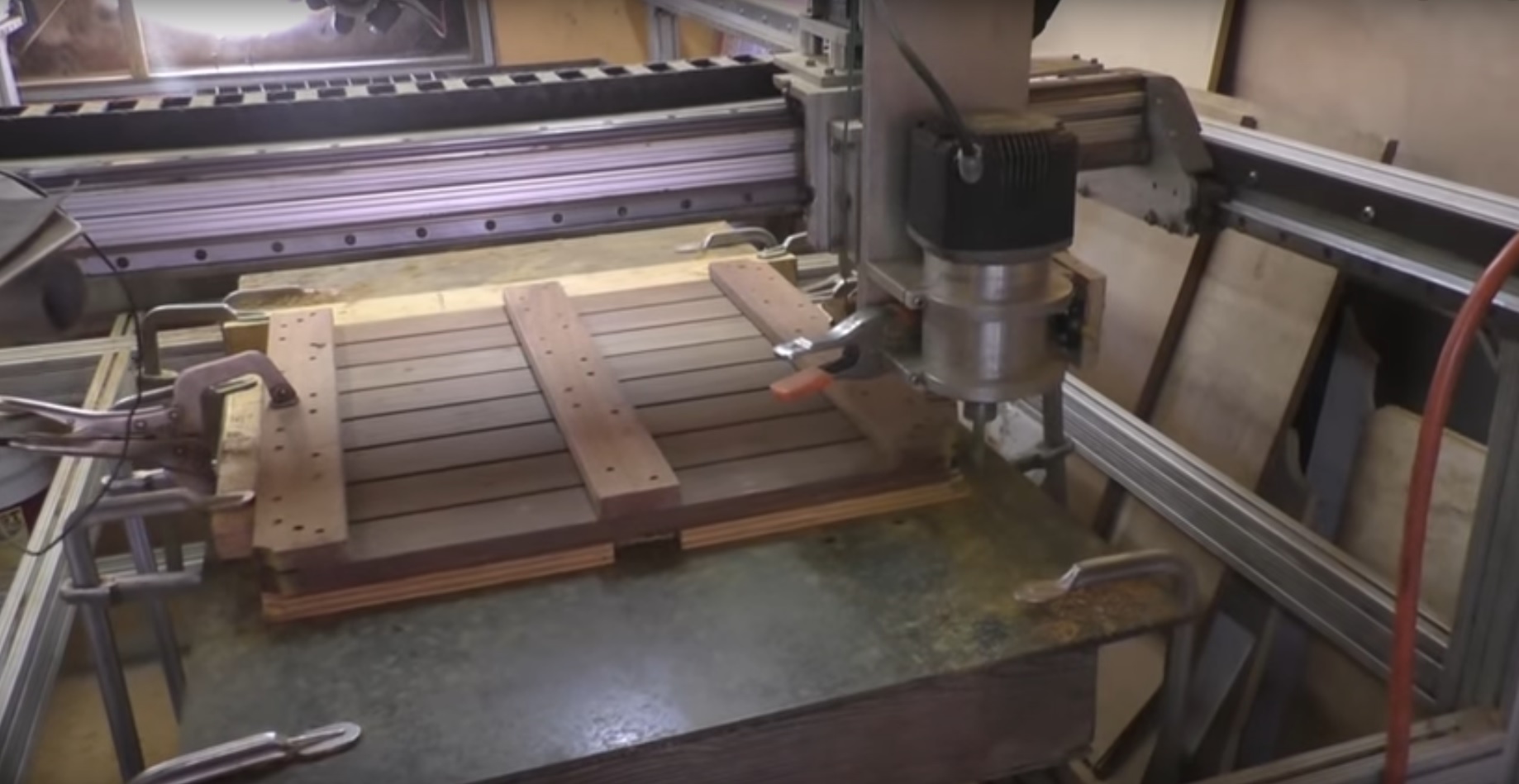
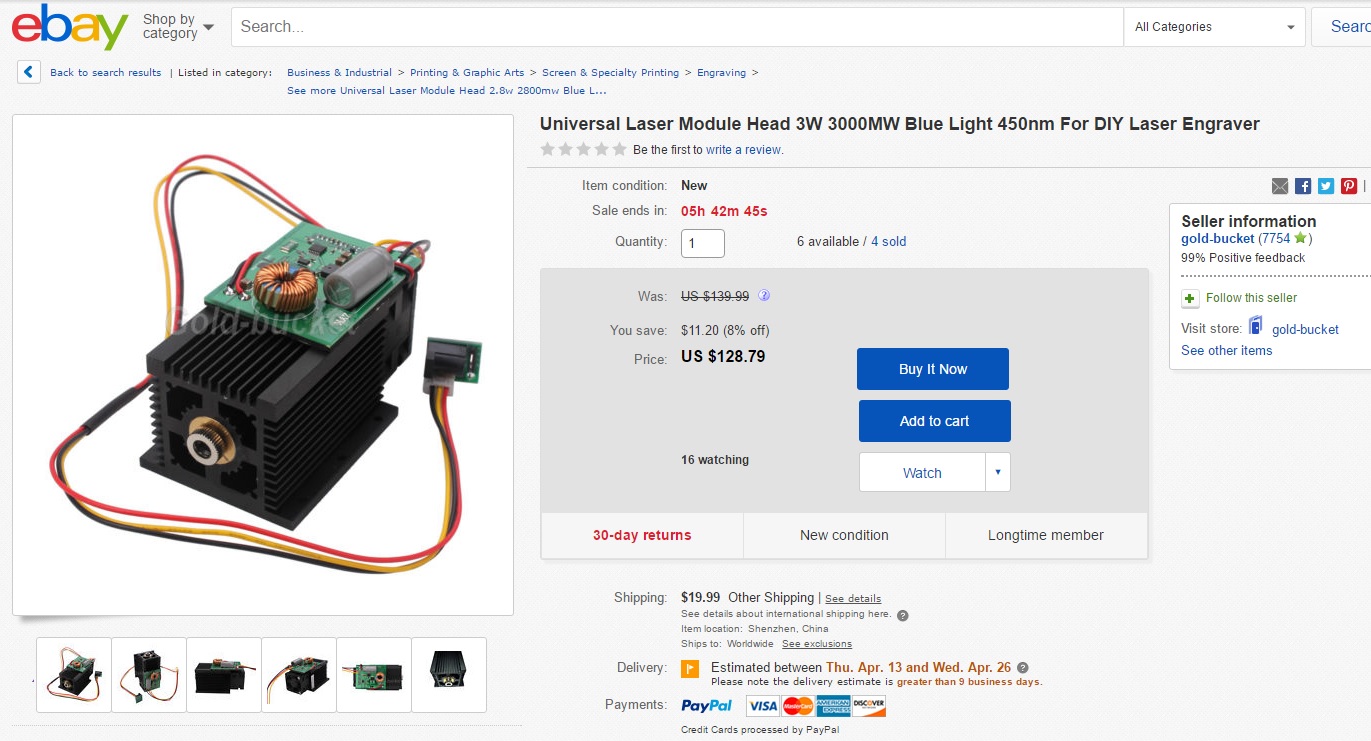
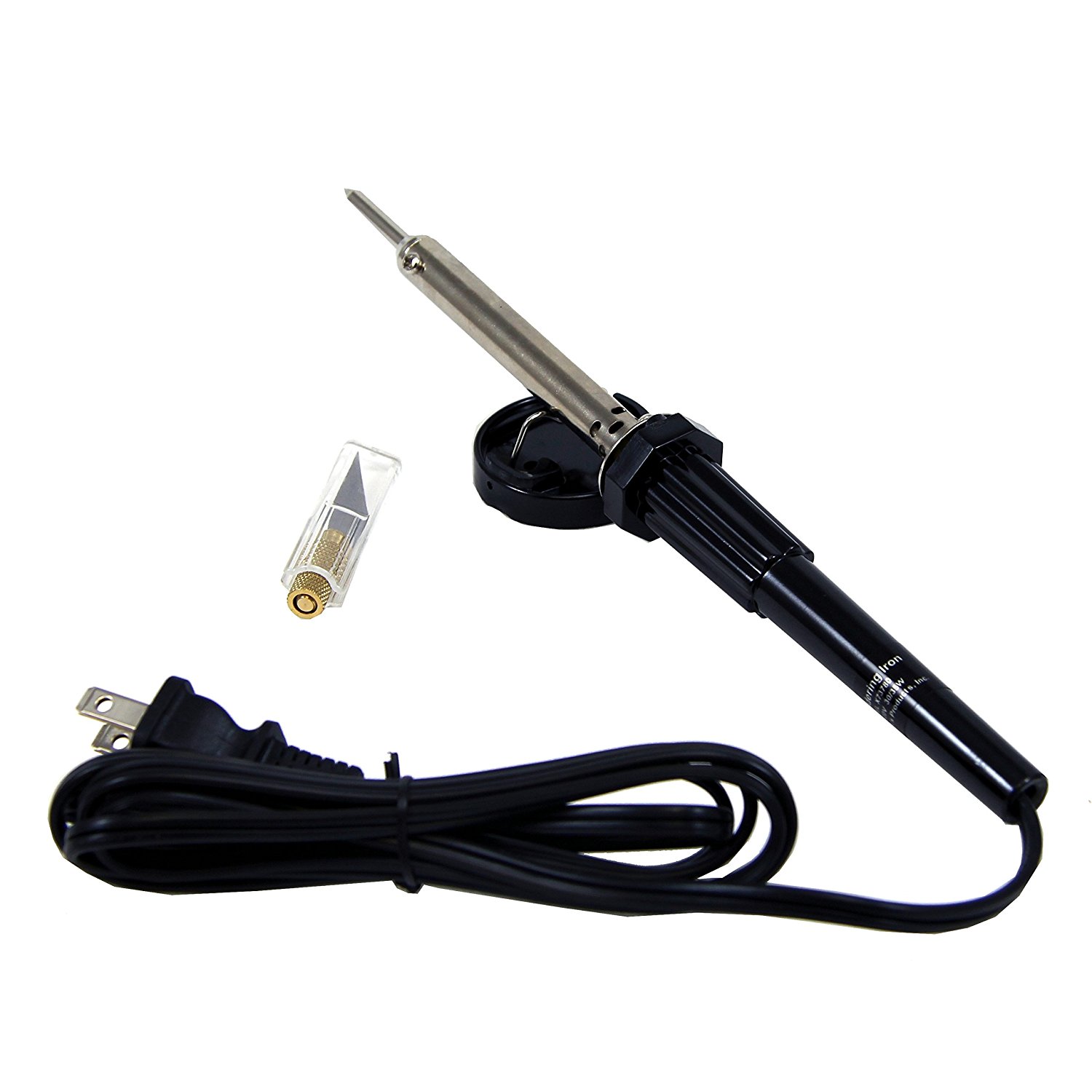
We learned while cutting the panels for the Mizzen sail; the really small one, that measuring and cutting the each panel correctly is very important and it takes a long time.  We already have the shapes for each panel in CAD so wouldn’t it be dandy to cut them on the CNC Table.  They are actually too big to cut in one go, so we’ll need to cut part of the panel along with some registration marks and then move it over and finish the cut.   Routing is out, or we think it is.  I’ve not seen anyone try to route cloth, even Sunbrella which is a heavy plastic cloth.  Besides, the edges need to be burned so a hot knife like a soldering iron needs to be used.  I have not seen that either, but I think it would work.  Razor blade drag knifes are used but again that will not burn the edge and keep it from fraying.   So how about a laser.   Yes, it’s the stuff from child hood fantasies which means with have to compensate for the “you’re just doing it with a laser because it’s cool” syndrome.    If we don’t compensate for that we end up owning something like a 3D printer before we have any clue how to use CAD which becomes apparent to our friends when we only print toys from Thingiverse.    So what’s the scoop on these lasers?  Will a Chinese 3 watt laser cut Sunbrella at a reasonable 20 inches per minute.  Will it make it through 70 panels.  Would be better off just letting the CNC Table mark the panels with a sharpie and cut them with our hot knife?


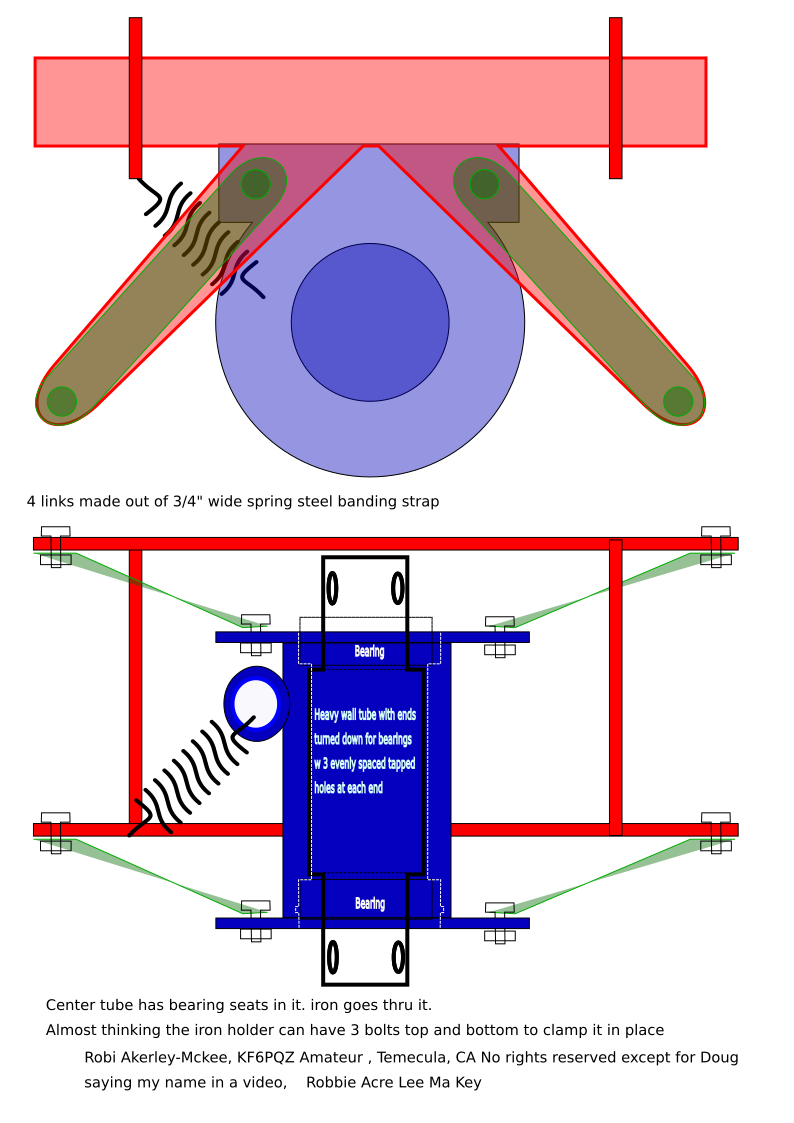
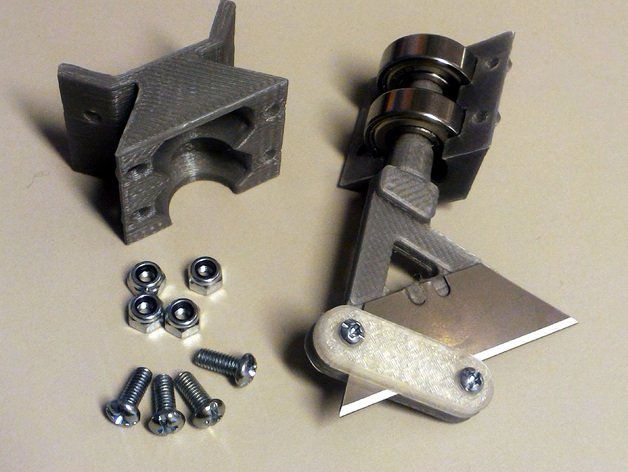
Robi Akerley-McKee, one of our viewers sent us a design for a “drag knife” attachment for the CNC Table that holds a pen style soldering iron that can be fitted with a blade.


Drag knife designs are available on Thingiverse.   Maybe there is an idea there for incorporating a soldering iron with a knife blade tip into a 3D printed holder.